Experiencing problems with your vehicle’s vision during heavy rain? Understanding bad wiper motor symptoms is crucial for maintaining driving safety. In this complete 2026 guide, Leili Auto Parts breaks down how a wiper motor functions, how to test it, and critical sourcing tips for commercial fleets.
Introduction
A wiper motor may look like a small component, but it plays a direct role in commercial driving safety. When rain, snow, mud, or road spray blocks the windshield, this power source gives the entire mechanism the strength it needs to keep the driver’s view clear.
For repair shops, auto parts distributors, wholesalers, and aftermarket buyers, understanding these units goes beyond basic vehicle maintenance. It is about choosing the right replacement parts, reducing return rates, matching OE numbers correctly, and supplying products that perform reliably under harsh global weather conditions.
In this 2026 complete guide, we explain the function, failure signs, testing methods, and critical sourcing considerations for procurement professionals in the automotive aftermarket.
What Is a Wiper Motor?
This component is an electric actuator that drives the windshield wiper arms. By converting electrical energy from the vehicle battery into mechanical motion, it allows the rubber blades to sweep across the glass smoothly.
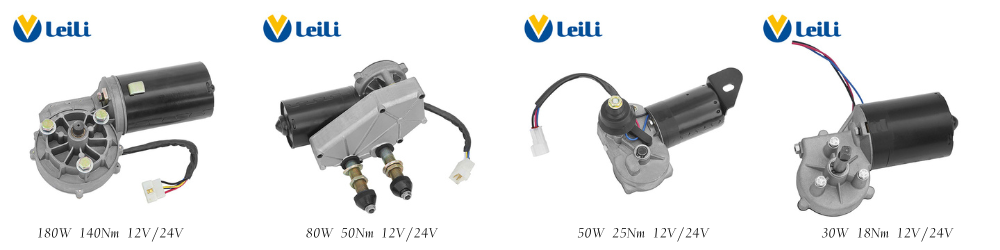
Most passenger vehicles rely on a 12V windshield wiper motor, while many trucks, buses, agricultural machinery, and heavy-duty applications require robust 24V configurations.
A complete visibility system usually includes the drive unit, linkage, arms, blades, switch, fuse, relay, wiring harness, control module, washer tank, and sometimes a rain sensor. The motor acts as the heart of this system, but it cannot work alone. If the mechanical linkage is seized or the electrical connection is corroded, the wipers will fail even if the motor itself is perfectly functional.
A windshield wiper motor converts electrical power into mechanical movement for the wiper system.
How Does a Wiper Motor Work?
When the driver turns on the control switch, the vehicle sends an electrical signal to activate the circuit. Depending on the vehicle architecture, this signal passes through a relay, fuse, body control module (BCM), or dedicated wiper control unit.
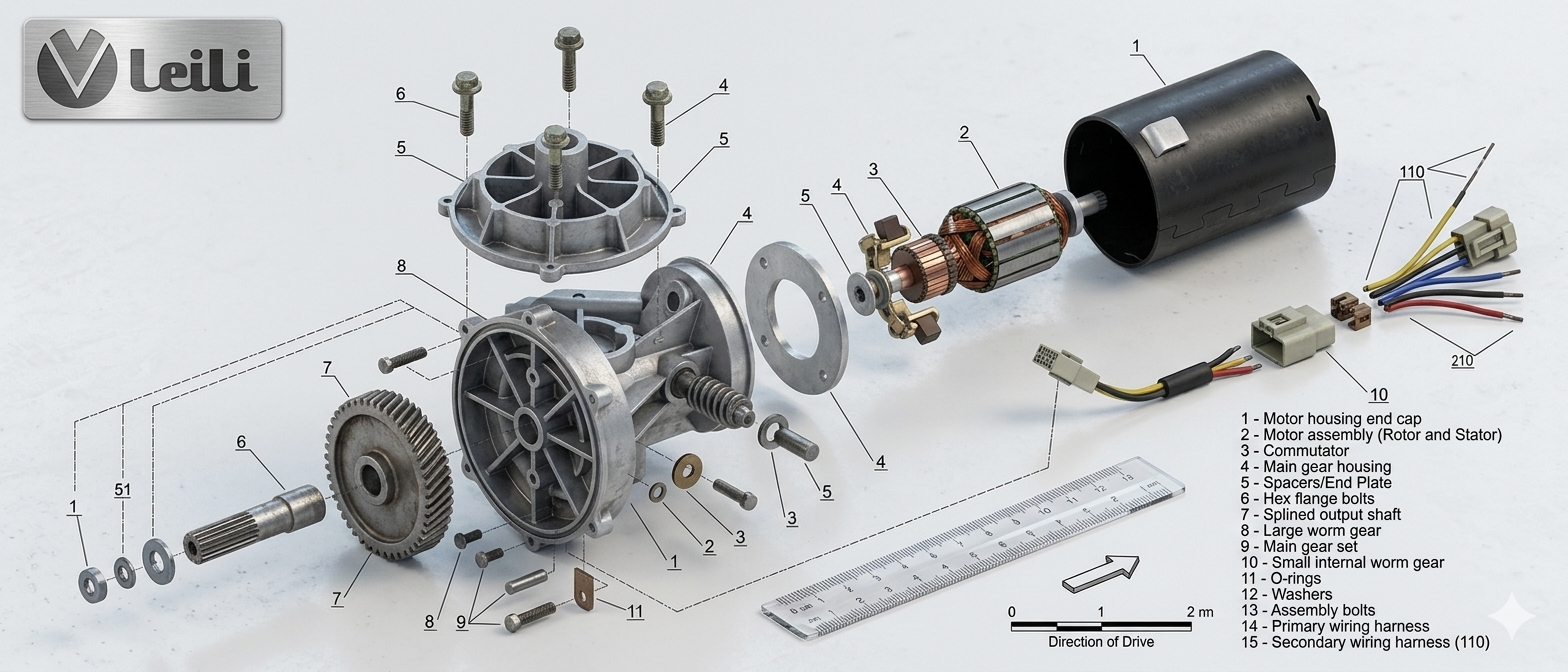
Once the assembly receives power, the internal rotor begins to spin at high speed. Because this rotation is too fast for direct use, internal worm gears reduce the velocity and multiply the torque. This mechanism then drives a crank arm connected to the transmission linkage.
The park function returns the blades to the correct resting position.
The park function is important. Without it, the wipers may stop in the middle of the windshield after being turned off.
The wiper motor works with the switch, relay, control module, linkage, and wiper arms to clean the windshield.
Main Types of Wiper Motors
Different vehicles require different wiper motor designs. For aftermarket buyers, identifying the correct type is the first step before confirming OE numbers and fitment.
1. Front Windshield Wiper Motor
The front wiper motor controls the main windshield wipers. It is usually installed under the cowl panel near the bottom of the windshield. This is the most common wiper motor type in the replacement parts market.
2. Rear Wiper Motor
Rear wiper motors are commonly used on SUVs, hatchbacks, vans, MPVs, and some commercial vehicles. They are smaller than front wiper motors but still require accurate fitment.
3. Heavy-Duty Wiper Motor
Heavy-duty wiper motors are designed for trucks, buses, agricultural machines, construction equipment, and special vehicles. These applications often require higher torque, stronger housing, better sealing, and longer working life.
4. 12V and 24V Wiper Motors
Voltage is one of the most important specifications. Passenger cars usually use 12V systems, while commercial and heavy-duty vehicles may use 24V systems. Using the wrong voltage can cause poor performance, overheating, or product failure.
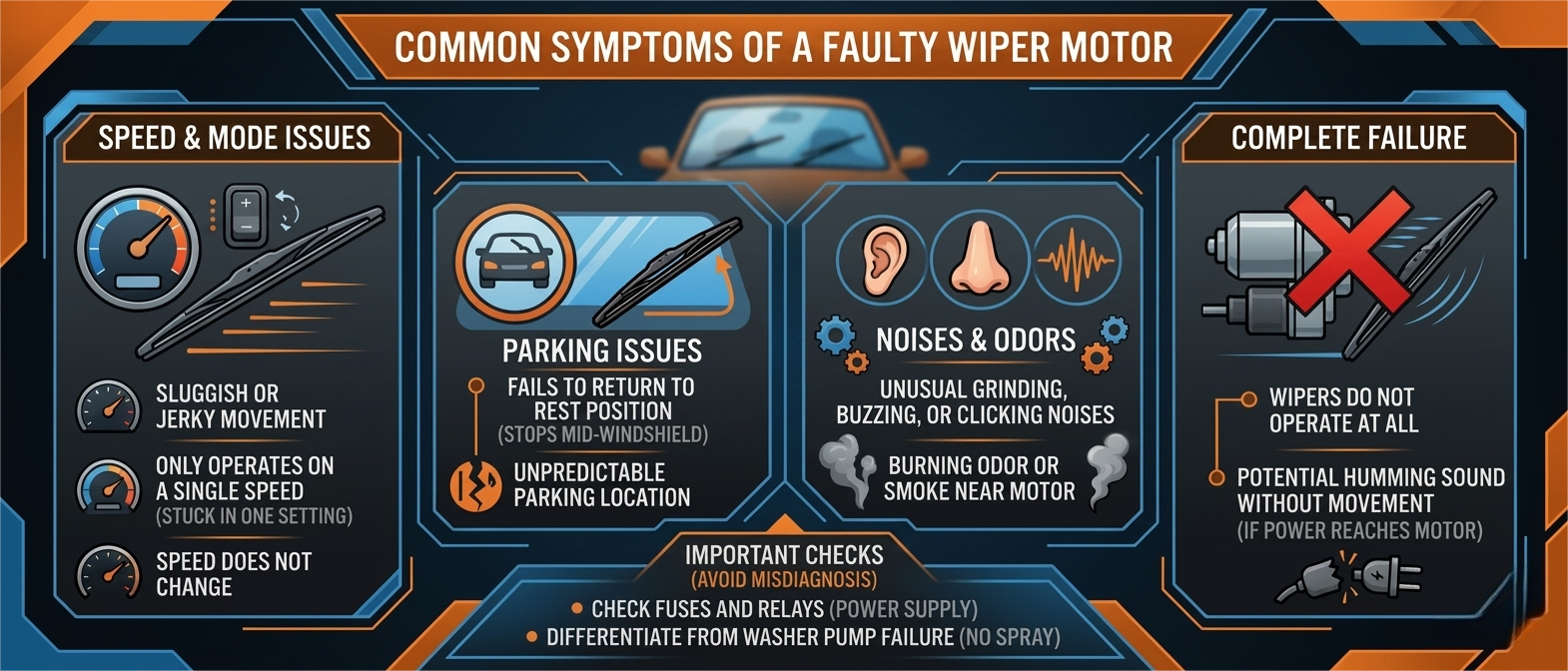
Common Symptoms of a Bad Wiper Motor
A failing wiper motor usually gives warning signs before it stops working completely. These symptoms are useful for both repair technicians and parts sellers.
1. Wipers Do Not Move
If the wipers do not move at all, the cause may be a failed motor, blown fuse, faulty relay, damaged switch, wiring problem, or poor ground connection. Before replacing the motor, the electrical circuit should be checked.
2. Wipers Move Slowly
Slow wiper movement may happen when the motor becomes weak or when the linkage has too much resistance. In some cases, dry or worn wiper blades can also increase the load on the motor.
3. Wipers Stop in the Wrong Position
If the wipers stop in the middle of the windshield or fail to return to the bottom position, the park mechanism may be damaged. This problem is common when the internal park switch or gear contact fails.
4. Wipers Work on Only One Speed
If low speed works but high speed does not, or intermittent mode fails, the issue may be related to the motor circuit, relay, switch, or vehicle control module.
5. Motor Makes Noise but Wipers Do Not Move
If the motor can be heard but the wiper arms remain still, the problem is often mechanical. The linkage may be loose, disconnected, worn, or broken.
6. Wipers Stop Randomly While Driving
Intermittent failure can be caused by a weak motor, damaged wiring, poor connector contact, overheating, or a faulty relay. This type of problem should be repaired quickly because it can create serious visibility risks during rain.
Slow movement, wrong park position, or no wiper movement can be signs of a bad wiper motor.
Wiper Motor vs Wiper Linkage
Many customers confuse a bad wiper motor with a bad wiper linkage. These two parts work together, but they are not the same.
If the motor is silent and receives no response, the issue may be electrical or motor-related. If the motor runs but the wiper arms do not move, the linkage may be damaged.
For distributors and repair shops, this difference matters because replacing the wrong part can lead to unnecessary returns and customer complaints.
Why Do Wiper Motors Fail?
Wiper motors are exposed to vibration, moisture, temperature changes, electrical load, and mechanical resistance. Over time, these conditions can cause failure.
In winter markets, frozen wiper blades are a major cause of motor overload. If the driver turns on the wipers while the blades are stuck to the windshield, the motor and linkage may be damaged.
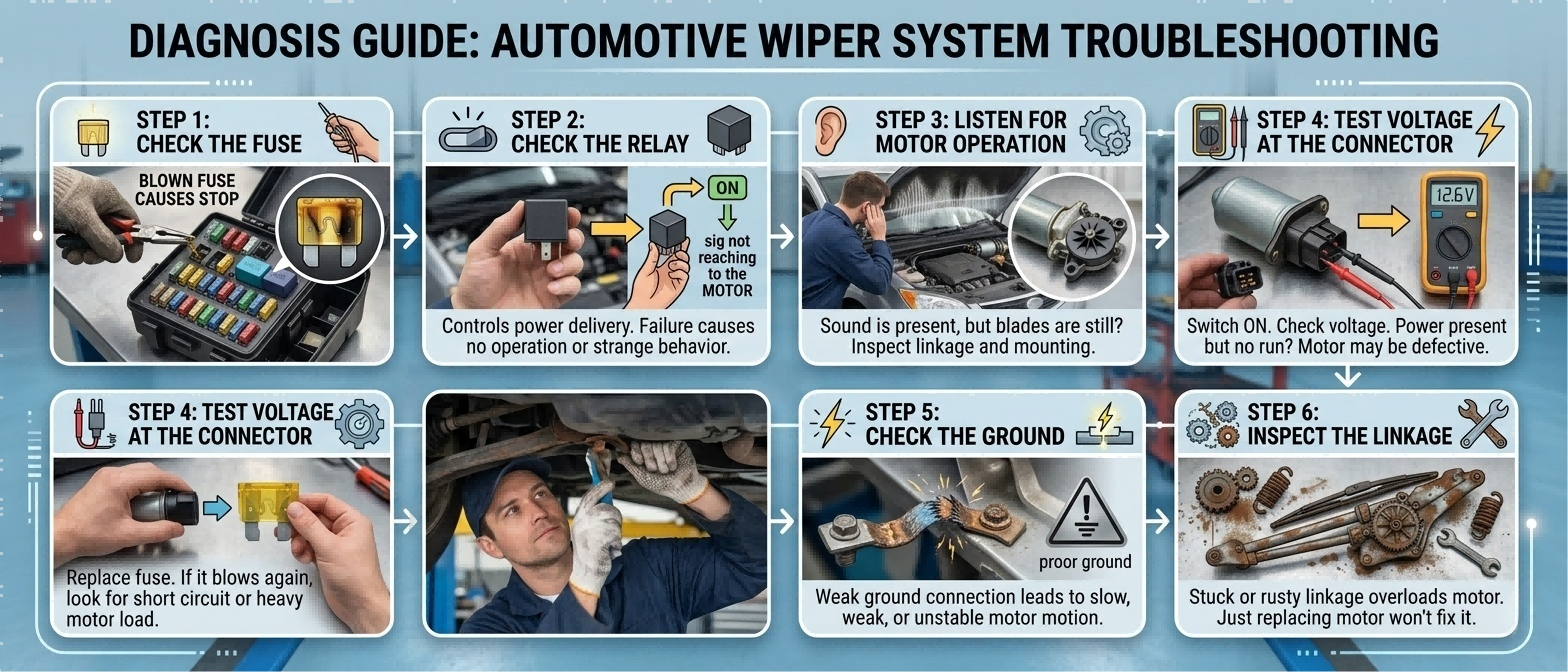
How to Test a Wiper Motor
Testing is important before replacement. A wiper system has several connected parts, so the motor should not be blamed before basic checks are completed.
Step 1: Check the Fuse
A blown fuse can stop the wiper system completely. If the new fuse blows again, there may be a short circuit or excessive motor load.
Step 2: Check the Relay
The relay controls power delivery to the motor. A failed relay may cause the wipers to stop working or operate incorrectly.
Step 3: Listen for Motor Operation
If the motor makes sound but the wipers do not move, inspect the linkage, wiper arms, and mounting points.
Step 4: Test Voltage at the Connector
Use a multimeter to check whether the motor receives proper voltage when the wiper switch is turned on. If voltage is present but the motor does not run, the motor may be defective.
Step 5: Check the Ground
A poor ground connection can cause slow, weak, or unstable motor operation.
Step 6: Inspect the Linkage
A stuck or rusty linkage can overload the motor. In this case, replacing only the motor may not solve the problem.
Voltage, ground connection, fuse, relay, and linkage should be checked before replacing a wiper motor.
When Should a Wiper Motor Be Replaced?
A wiper motor should be replaced when testing confirms that the motor cannot operate correctly under normal power and load conditions.
The motor receives power but does not run.
The motor runs weakly after linkage inspection.
The park function fails.
Internal gears are damaged.
The motor overheats.
Water has entered the motor housing.
The connector or internal circuit is badly corroded.
For safety reasons, a faulty wiper motor should not be ignored. Clear visibility is essential for daily driving, highway use, commercial transport, and bad-weather operation.
For aftermarket buyers, selecting a wiper motor is not only about matching appearance. A reliable replacement part must meet electrical, mechanical, and fitment requirements.
Vehicle make, model, and year
Left-hand drive or right-hand drive application
Front or rear wiper motor
12V or 24V voltage
OE number
Connector type
Mounting hole position
Shaft design
Motor rotation direction
Park function compatibility
Linkage compatibility
Packaging requirements
Market quality standard
OE number matching is especially important. Two wiper motors may look similar but have different connectors, mounting angles, or internal functions.
What Aftermarket Buyers Should Pay Attention To
For wholesalers, importers, and distributors, product quality affects more than one vehicle repair. It affects customer trust, warranty cost, and long-term cooperation.
A good wiper motor supplier should be able to provide accurate product information, stable quality control, clear OE cross-reference support, reliable packaging, consistent batch supply, professional export experience, fast communication, and support for different vehicle applications.
Low-cost products may seem attractive at first, but poor fitment, weak motor torque, unstable park function, or high return rates can increase total business cost.
Leili Wiper Motor Solutions
Leili provides aftermarket wiper motor solutions for customers who need reliable replacement parts for different markets.
Product consultation for distributors and wholesalers
For Leili, a good wiper motor should not only fit the vehicle. It should operate smoothly, return to the correct park position, withstand normal weather conditions, and support stable aftermarket performance.
Leili supports aftermarket buyers, distributors, and wholesalers with reliable wiper motor solutions.
Wiper Motor Maintenance Tips
Proper maintenance can extend the life of the wiper motor and reduce unexpected failure.
Replace worn wiper blades regularly.
Do not use wipers on a dry windshield for long periods.
Clear ice and snow before turning on the wipers.
Remove leaves and debris near the windshield cowl.
Check the wiper linkage during service.
Keep electrical connectors clean and dry.
Use the correct replacement motor.
Avoid forcing stuck wiper arms.
For fleet operators and commercial vehicles, regular inspection is especially important because wiper failure can affect safety and operating schedules.
FAQ About Wiper Motors
What does a wiper motor do?
A wiper motor powers the windshield wiper system. It moves the wiper arms and helps the blades clean rain, snow, dirt, and debris from the windshield.
What are the signs of a bad wiper motor?
Common signs include no wiper movement, slow movement, wrong park position, only one speed working, motor noise without arm movement, or random stopping.
Can a bad wiper motor damage other parts?
Yes. A weak or overloaded motor can affect the linkage, relay, fuse, and electrical circuit. A seized linkage can also damage a new motor if not repaired.
Is the wiper motor the same as the wiper linkage?
No. The wiper motor provides power, while the linkage transfers that power to the wiper arms.
Can I replace only the wiper motor?
Yes, if the linkage, wiring, relay, fuse, and switch are in good condition. If the linkage is seized or damaged, it should be repaired or replaced too.
How long does a wiper motor last?
Service life depends on product quality, weather conditions, usage frequency, linkage condition, and maintenance. Heavy rain, snow, dust, and frozen blades can shorten its life.
How do I choose a wiper motor supplier?
Choose a supplier that can provide OE matching, stable product quality, clear application information, proper packaging, and professional aftermarket support.
Conclusion
A wiper motor is a key safety component in the vehicle windshield wiper system. It powers the wiper arms, supports clear visibility, and helps drivers operate safely in rain, snow, and difficult road conditions.
For repair shops, wholesalers, importers, and aftermarket distributors, understanding wiper motor function, failure symptoms, testing methods, and sourcing standards can help reduce wrong orders and improve customer satisfaction.
In 2026, choosing the right wiper motor is not only about price. It is about fitment accuracy, stable operation, reliable supply, and long-term market trust.
If you are looking for aftermarket wiper motor solutions, Leili can help you match suitable products for your vehicle applications and target market.
We use necessary storage to operate this website. With your permission, analytics helps us improve the site and advertising storage helps us measure enquiries. You can change your choice at any time.





.png)


