


What Is a Wiper Blade?
If you manage a commercial fleet, you know reliable wiper blade are essential. Specifically, they keep buses, trucks, and engineering vehicles safe.
Why Most Operators Lack Deep Knowledge
However, few understand the wiper blade's formal definition, core components, or working principle. In addition, commercial vehicle needs differ from passenger cars.
What This Guide Covers
As a result, Leili provides this guide. We cover wiper blade types, mounting locations, core parts, safety functions, and replacement best practices.
Who Should Read This
Consequently, fleet managers, bus operators, truck drivers, and auto parts professionals will benefit. In short, this guide helps you master this critical safety component.
What is a Wiper Blade?
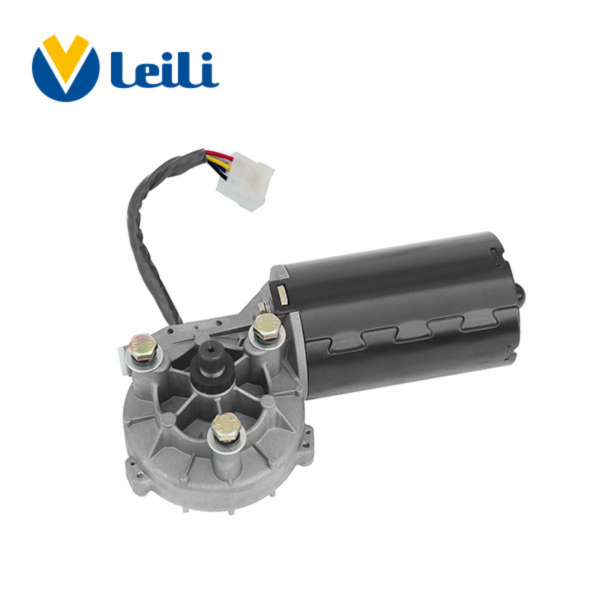
A car wiper blade (also called a windshield wiper blade) is the core execution component of a vehicle’s cleaning system. This replaceable assembly mounts to the wiper arm. It uses a precision rubber strip to maintain consistent contact with the windshield. Blade choice only makes sense inside the full system, so start with wiper assemblies for commercial vehicles.
How It Works and Why It Matters
The wiper blade works with the motor, arm, linkage, and washer system. It removes rain, snow, dust, bug splatter, and road grime. Unlike comfort-focused parts, the wiper blade is a critical safety component. It directly maintains the driver’s clear visibility. This is essential for safe driving in all conditions.
Commercial Vehicle Requirements
For commercial vehicles like coaches, buses, trucks, and rail cars, wiper blades need stricter designs. They must withstand longer operating hours and harsher conditions. They also face higher vibration and larger curved windshields.
Leili’s Solution
Leili develops wiper blades for commercial vehicles. We tailor them to unique operating conditions. Our blades deliver reliable performance even in demanding environments. Designs can fit specific windshield shapes and sizes.
Where is the Wiper Blade Located?
Front Wiper Blade Mounting on Passenger Vehicles
In most modern cars, SUVs, and light trucks, the primary wiper blades mount at the base of the front windshield. They secure to the wiper arm via a dedicated connector. Most light vehicles use two front blades. The driver’s side is longer, and the passenger’s side is shorter. Each blade covers the maximum visible area without overlapping. When not in use, the blades rest at the bottom. This ensures they do not block the driver’s view.
Commercial Vehicle Wiper Blade Placement
For commercial vehicles, wiper blade placement matches oversized and highly curved windshields. Most city buses and coaches use dual matched blades. Some models even use three or more assemblies. This covers the full driver viewing area and ensures zero blind spots.
Heavy-Duty and Rail Transit Applications
Heavy-duty trucks and engineering vehicles use heavy-duty blade assemblies on reinforced arms. These withstand intense vibration, dust, and impact. For rail transit, Leili provides customized blades. They meet strict rail safety standards and adapt to high-speed running and extreme environments.
Rear Wiper Blades on Commercial Vehicles
Many commercial vehicles also have rear wiper blades. These include delivery vans, minibuses, and engineering machinery. The rear blade mounts on the rear windshield or cab window. It cleans the rear glass for safe reversing, lane changes, and parking in busy areas.
Core Parts of a Wiper Blade
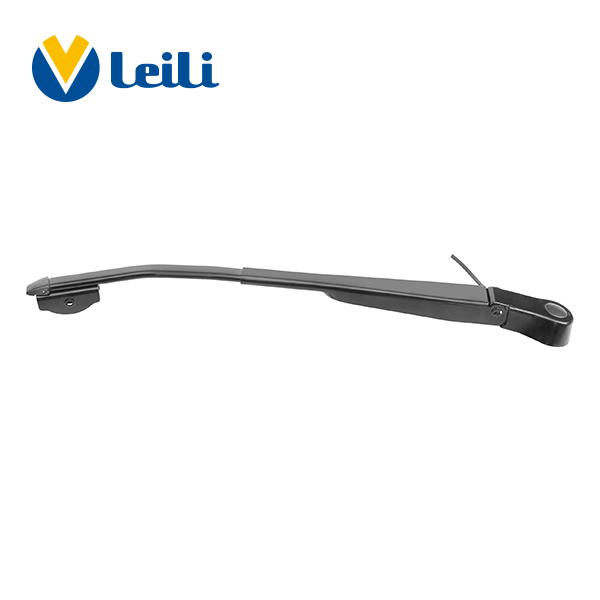
A wiper blade may look simple, but it contains several precision parts. Each part has a specific function. Together, they ensure reliable, streak-free cleaning. This is especially true for commercial-grade blades. They need reinforced design for heavy-duty operation.
Below is a breakdown of the main wiper blade parts and their roles. We also include insights into Leili’s commercial vehicle-specific optimizations:
Wiper Blade Rubber Strip (Squeegee)
The Rubber Squeegee Is the Heart of the Wiper Blade
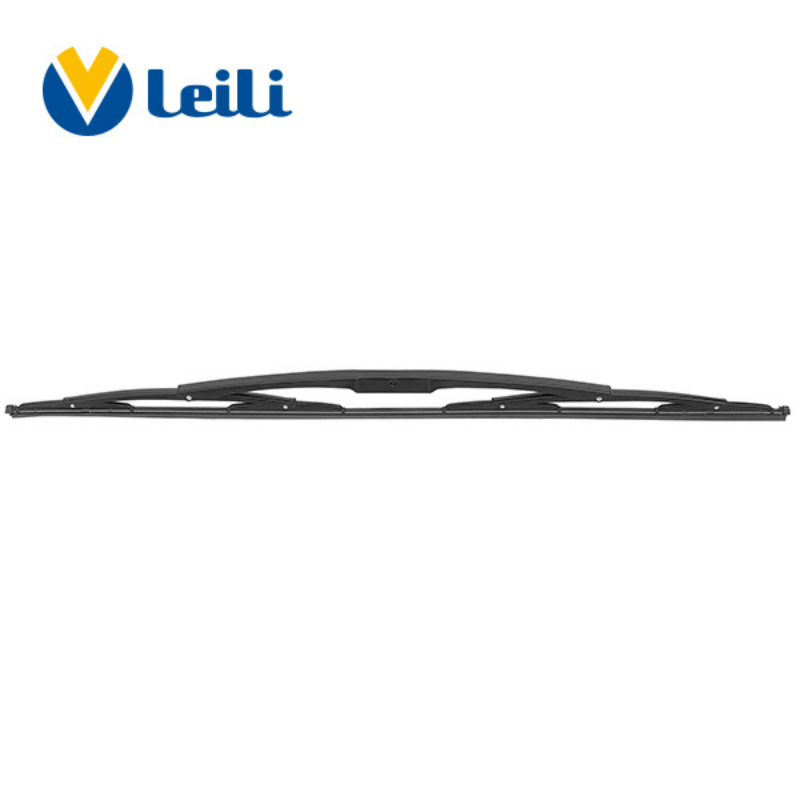
The rubber squeegee is the only part that touches the windshield. Manufacturers use high-elasticity, wear-resistant materials like natural rubber, chloroprene, or silicone. The blade edge has a precision-cut fine angle. This ensures full, uniform contact with curved glass. It wipes away water and debris without leaving streaks.
Why Rubber Quality Matters for Commercial Vehicles
Rubber quality directly determines the blade's service life and cleaning performance. For commercial vehicles in harsh environments, Leili uses proprietary high-performance rubber and silicone. These materials offer enhanced UV resistance, wear resistance, and extreme temperature adaptability.
Performance in Extreme Conditions
Our strips perform well from northern winter cold to hot, dusty construction sites. Specifically, they adapt to the long-term operation needs of buses, trucks, and engineering vehicles. In addition, premium strips also include a graphite coating. As a result, this reduces friction, eliminates squeaking, and ensures smooth, quiet operation even after months of heavy use.
Wiper Blade Frame (Superstructure)
The Frame Is the Backbone of the Wiper Blade
The frame distributes spring pressure evenly across the rubber strip. As a result, this uniform pressure keeps the squeegee tightly pressed to the windshield. Notably, it works even on large, curved glass surfaces. Consequently, this eliminates missed spots and streaks.
Frame Designs by Wiper Type
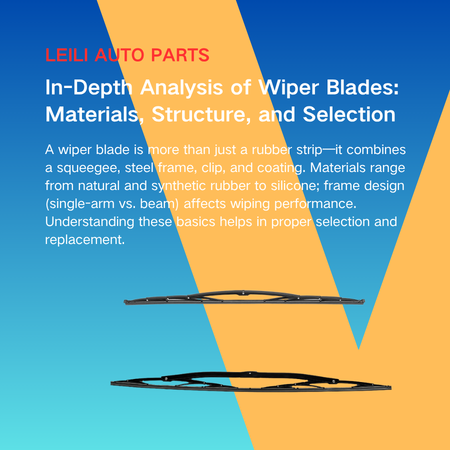
Frame designs vary by wiper type. For example, conventional framed blades use a multi-point metal bracket system. In contrast, beam blades use a single integrated steel sheet. Meanwhile, hybrid blades combine both designs for better performance.
Leili’s Reinforced Frames for Commercial Vehicles
Leili uses reinforced heavy-duty frames or high-strength beam designs for commercial vehicles. As a result, these maintain stable, uniform pressure even on oversized bus and coach windshields. In addition, they perform well under high vibration and high-speed operation.
Wiper Blade Adapter (Connector)
The Adapter Secures the Blade to the Wiper Arm
The adapter is the mounting interface that secures the blade to the wiper arm. Specifically, different vehicles use different connection types. For example, these include the universal J-hook, side pin, push-button, bayonet, and OEM connectors. As a result, the adapter ensures a secure, rattle-free fit. In addition, it prevents the wiper from detaching, chattering, or lifting during operation.
Leili’s Full Range of Commercial Adapters
Leili offers a full range of commercial vehicle-specific adapters. Specifically, they are compatible with mainstream coach, bus, truck, and engineering vehicle brands worldwide. In addition, we also provide customized mounting solutions for special vehicles. For example, these include rail transit equipment and heavy engineering machinery.
Wiper Blade End Caps – Protective Components
End Caps Seal the Wiper Blade Ends
End caps seal the ends of the wiper blade frame and rubber strip. Specifically, they block dust, dirt, road debris, and ice from entering. As a result, this prevents premature wear of the frame and rubber. In addition, it also reduces vibration and chattering at high speeds. Consequently, they extend the blade's overall service life.
Why Protection Matters for Commercial Vehicles
For commercial vehicles in dusty or icy conditions, these protective components are critical. Specifically, they help maintain consistent performance. Notably, this applies to construction sites and winter operations alike.
What Does a Wiper Blade Do? Core Functions & Working Principle
The wiper blade's main job is to keep the windshield clean. In turn, this gives the driver clear, unobstructed visibility. Notably, the blade relies on the vehicle's wiper system for coordinated action. As a result, it delivers several critical safety benefits, especially for commercial vehicles.
Below is a detailed breakdown of its core functions. In addition, we also explain the step-by-step working principle.
Core Functions of a Wiper Blade
1. Wiper Blade – Critical Driving Visibility & Safety Assurance
This Is the Wiper Blade’s Most Life-Saving Function
In rain, snow, or freezing conditions, the wiper blade rapidly removes water and ice. As a result, this eliminates glare and obscured vision. Otherwise, without this function, accidents would likely occur.
Why This Matters for Commercial Vehicles
For passenger coaches, city buses, and freight trucks, driving visibility directly affects passenger safety and cargo protection. Specifically, a faulty blade can cause serious accidents and fleet downtime. In addition, it also increases maintenance costs.
Leili’s Safety-Focused Design
Leili designs commercial blades with strict safety standards in mind. As a result, our blades provide long-lasting, reliable performance. Consequently, this minimizes operational risks and downtime for fleet operators and vehicle owners.
2.Wiper Blade Removal of Surface Debris & Contaminants
During daily operation, the wiper blade clears away heavy windshield contaminants common to commercial vehicles. For example, these include construction dust, road mud, bug splatter, tree sap, bird droppings, and diesel exhaust residue. When used with windshield washer fluid, it dissolves and wipes away stubborn, sticky debris. Otherwise, this debris would block the driver's view and create dangerous glare in sunlight. This is especially critical for engineering vehicles on dusty construction sites and long-haul trucks on unpaved or gravel roads.
3. Wiper Blade Auxiliary Defrosting & Defogging Performance
In cold weather or high-humidity conditions, the wiper blade works with the vehicle's climate control system. Specifically, it clears frost, ice, and external condensation from the windshield. This is especially critical when commercial vehicles first start, before the defroster has fully warmed the large glass surface. As a result, the driver regains full visibility in seconds. Consequently, this avoids delays to route schedules or project timelines.
4. Wiper Blade Windshield Wear Protection
A high-quality, well-maintained wiper blade prevents scratches and abrasions to the windshield surface. Specifically, its smooth, precision-cut rubber edge glides across the glass without scratching. In addition, regular wiping removes hard, abrasive debris that would otherwise etch permanent marks into the glass. For commercial vehicles with large, custom-sized windshields, this extends the life of the expensive glass. Consequently, it also reduces long-term fleet maintenance costs.
How a Wiper Blade Works: Step-by-Step Working Principle
The operation of the wiper blade relies on a coordinated process. Specifically, it involves the vehicle's electrical system, wiper mechanism, and the blade itself. Notably, for commercial vehicles, this system is reinforced to handle higher duty cycles and more extreme operating conditions. Below is a step-by-step breakdown.:
Step 1: Activation
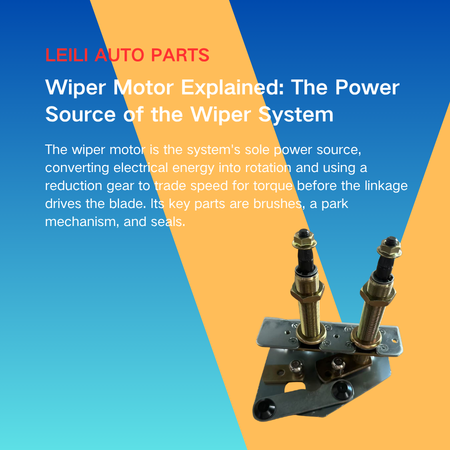
When the driver activates the wiper stalk or the rain sensor detects moisture, an electrical signal is sent to the wiper motor. As a result, the motor powers up.
Step 2: Motion Transfer
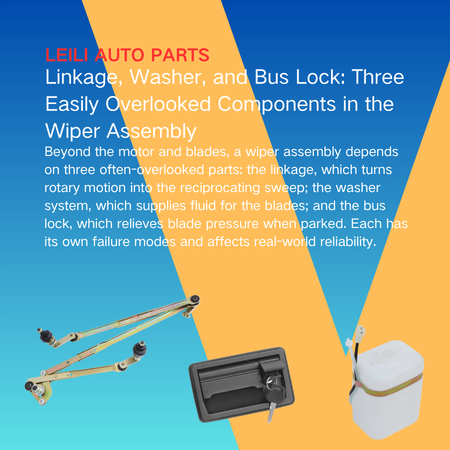
The motor converts rotational motion into reciprocating movement via the linkage system. Consequently, the reinforced arms swing across the large commercial windshield.
Step 3: Pressure Application
The arm's internal spring applies constant pressure to the blade. Specifically, this pressure distributes evenly via the reinforced frame or flex steel sheet. As a result, the rubber squeegee lies flat against the curved glass, even on wide coach windshields.
Step 4: Cleaning Action
As the arm swings, the rubber edge slides across the glass at a precise angle. In turn, it pushes water, debris, and contaminants off the windshield. For stubborn debris, the washer system sprays fluid to lubricate the blade and prevent scratching.
Step 5: Speed Adjustment
The driver can adjust swing speed to match precipitation levels. For example, options include intermittent, low, or high speed. In addition, modern vehicles with rain sensors automatically adjust blade frequency. Therefore, this reduces driver distraction during long-haul or urban routes.
At highway speeds, the aerodynamic design of Leili's commercial blades uses wind pressure to press the blade tighter against the glass. As a result, this prevents lift, chattering, and missed spots. In contrast, low-quality blades often fail during high-speed truck or coach operation.
Common Types of Wiper Blades for Commercial Vehicles
Wiper blades fall into three main types based on their structural design. Specifically, each type has unique benefits and ideal use cases for different commercial vehicle scenarios. Notably, Leili offers a full range of wiper blade solutions for commercial vehicles. As a result, we tailor each product line to the specific operating conditions of the target vehicle type.
Conventional Frame Wiper Blades (Heavy-Duty Bracket Blades)
Conventional framed wiper blades are the time-tested design for commercial vehicles. Specifically, they feature a reinforced metal frame with multiple articulated pressure points. For example, these include 6-12 heavy-duty claws that distribute the wiper arm’s pressure along the rubber strip. As a result, they are widely compatible with city buses, intercity coaches, and older heavy-duty truck models. In addition, their robust structure resists vibration and impact. Furthermore, they are easy to install and maintain. Therefore, they remain a popular choice for urban bus fleets and regional coach operators.
Beam Wiper Blades (Frameless / Flat Blades)
Beam wiper blades are the modern standard for new commercial vehicles. For example, long-haul heavy-duty trucks, high-end coaches, and engineering vehicles all use them. Specifically, they use a single continuous heavy-duty flex steel sheet. A streamlined rubber or plastic housing encases it with no exposed metal brackets. As a result, this design delivers ultra-uniform pressure along the entire blade length. In addition, it provides superior high-speed aerodynamic performance with no wind lift. Furthermore, it offers better resistance to ice and snow buildup. Consequently, beam blades operate more quietly and have a sleeker profile. Most importantly, they offer a longer service life than conventional framed blades. Therefore, they are ideal for long-haul trucking and high-frequency coach operation.
Hybrid Wiper Blades
Hybrid wiper blades combine the best features of conventional and beam blades. As a result, they are the top choice for engineering vehicles, construction machinery, and off-highway commercial vehicles. Specifically, they feature an internal articulated heavy-duty frame for consistent pressure distribution. In addition, a full aerodynamic outer shell protects internal components from dust, debris, ice, and impact. Therefore, they offer the durability of framed blades and the high-speed performance of beam blades. Consequently, they are ideal for harsh construction sites, mining, or off-road environments.
Beyond these core types, Leili also provides specialized commercial vehicle wiper blade variants. For example, we offer winter-specific heavy-duty blades for cold climates. Similarly, premium silicone blades provide extended service life in high-UV regions. Finally, we offer fully customized wiper blade assemblies for rail transit vehicles and special engineering machinery.
Leili Commercial Vehicle Wiper Blade Selection & Replacement Best Practices
Choosing the right wiper blade for your commercial vehicle is critical. Specifically, it ensures driving safety, reduces operational downtime, and lowers long-term maintenance costs. Notably, Leili has years of deep expertise in the commercial vehicle wiper system field. Therefore, we share the following core selection and replacement guidelines. These apply to buses, coaches, city buses, trucks, engineering vehicles, rail transit vehicles, and other commercial vehicles.
Wiper Blade – Confirm Vehicle-Specific Size & Assembly Compatibility
Commercial vehicle windshields vary widely in size, curvature, and mounting requirements. Specifically, this applies to different models of coaches, city buses, heavy-duty trucks, and engineering vehicles. To address this, Leili provides wiper blades with full compatibility for mainstream commercial vehicle brands and models worldwide. In addition, we offer customized size and mounting solutions for special vehicle types. For example, these include rail transit equipment and engineering machinery. As a result, this ensures a perfect fit and full wiping coverage without dead spots.
Wiper Blade – Select Products Matched to Your Operating Environment
Different commercial vehicle scenarios have vastly different requirements for wiper blades. For example, city buses and coaches need blades that withstand frequent start-stop operation and urban road dust. In contrast, long-haul heavy trucks require high-speed aerodynamic performance and all-weather adaptability. Similarly, engineering vehicles need heavy-duty, impact-resistant, and dust-proof blades for construction sites. Likewise, rail transit vehicles need blades that meet strict rail safety standards and high-speed stability. As a result, Leili's commercial vehicle wiper blade product line is developed for these segmented scenarios. In practice, we use targeted material and structural design to meet the needs of different working conditions.
Wiper Blade – Prioritize Durability & Reliability for Commercial Fleet Operations
For commercial fleet operators, the service life and reliability of wiper blades directly affect operational efficiency and maintenance costs. Specifically, Leili’s commercial vehicle wiper blades use premium wear-resistant materials and a reinforced structural design. As a result, they deliver a longer service life than standard passenger blades. Consequently, this reduces replacement frequency and minimizes vehicle downtime.
Wiper Blade – Follow Commercial Vehicle-Specific Replacement Interval
Due to the longer operating hours and harsher working conditions of commercial vehicles, the replacement cycle of wiper blades is shorter than that of passenger vehicles. Therefore,Leili recommends that commercial vehicle operators inspect wiper blades before each shift. In addition, replace them immediately if streaking, skipping, chattering, rubber cracking, or incomplete wiping occurs.
For regular scheduled maintenance,we recommend replacing wiper blades every 3-6 months for vehicles in harsh environments. For example, this applies to construction sites, dusty areas, or extreme temperature regions. In contrast, urban buses and long-haul coaches in mild conditions can replace blades every 6-9 months.
Wiper Blade Conclusion – Key Takeaways for Optimal Performance
As we’ve covered, the wiper blade is a deceptively simple yet absolutely critical safety component for all vehicles. To be specific, for commercial vehicles including coaches, city buses, heavy-duty trucks, engineering vehicles, and rail transit equipment, its performance is directly tied to operational safety, passenger security, cargo protection, and fleet efficiency. In practice, by moving across the windshield to clear water, dust, debris, and contaminants, it ensures unobstructed visibility. As a consequence, this visibility forms the foundation of safe commercial vehicle operation in all weather and road conditions. In other words, without a reliable wiper blade, none of these safety goals are achievable.
Most importantly, Leili is a professional supplier of commercial vehicle wiper system solutions. Furthermore, we are deeply committed to the R&D and manufacturing of high-quality wiper blades tailored to the unique needs of the commercial vehicle industry. For example, our products meet the stringent requirements of buses, coaches, city buses, trucks, engineering vehicles, and rail transit vehicles. As a result, they deliver consistent, reliable, and long-lasting wiping performance. Moreover, this holds true even in the most demanding operating environments.
Therefore, understanding the wiper blade’s definition, core components, working principle, and commercial vehicle-specific selection criteria will help fleet operators, vehicle owners, and auto parts professionals. With this knowledge, you can select the right wiper blade products. Likewise, you can maintain them properly. In turn, this maximizes their performance and service life. Looking ahead, our upcoming guides will dive into common wiper blade faults. Specifically, we will cover troubleshooting methods for commercial vehicles. Additionally, we will provide step-by-step replacement instructions for different commercial vehicle types. Finally, we will give a detailed breakdown of Leili’s full commercial vehicle wiper blade product line. In short, this will help you optimize your wiper system performance. Ultimately, it will also help you reduce operational risks.
Related resources
Once the construction is clear, the practical questions are which blade to buy, how to choose it, and which vehicles it fits:
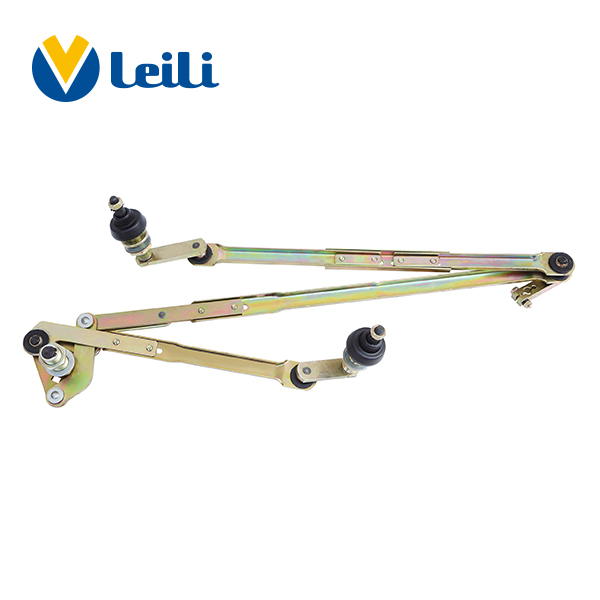
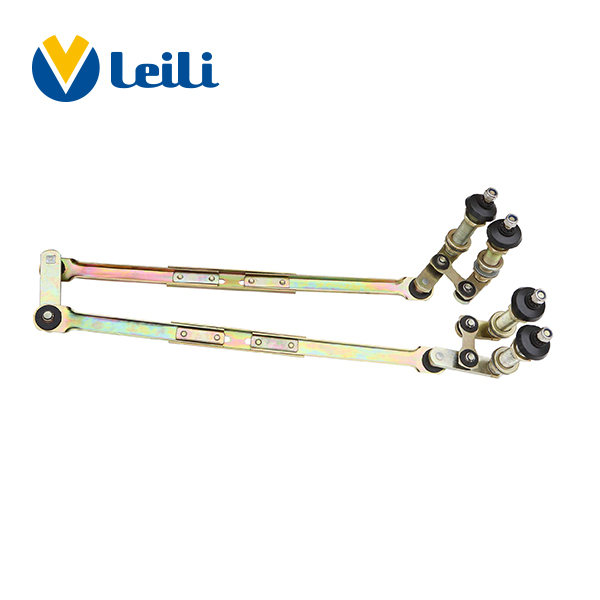
NLG-003 Overlapped Linkage, for Yutong/Yaxing Passenger Buses
Technical Specifications
- Model:NLG-003
- Place of Origin:Zhejiang, china (Mainland)
- Brand NameType of wiper linkage assembly:Overlapped linkage
- Brand Name:Leili
- Application:Commercial vehicle bus excavator
- Raw metrials:Metal
- Main rob length:1100mm-2600mm/Custom
- Payment:30%T/T
- Delivery time:30 days after orders confirmed
- MOQ of wiper linkage:100pcs/item
- Certificate:IS09001
NLG-004 Ordered Linkage, for Yutong/Yaxing Passenger Buses
Technical Specifications
- Model:NLG-004
- Place of Origin:Zhejiang, china (Mainland)
- Brand NameType of wiper linkage assembly:Ordered linkage
- Brand Name:Leili
- Application:Commercial vehicle bus excavator
- Raw metrials:Metal
- Main rob length:1090mm-1506mm
- Payment:30%T/T
- Delivery time:30 days after orders confirmed
- MOQ of wiper linkage:100pcs/item
- Certificate:IS09001
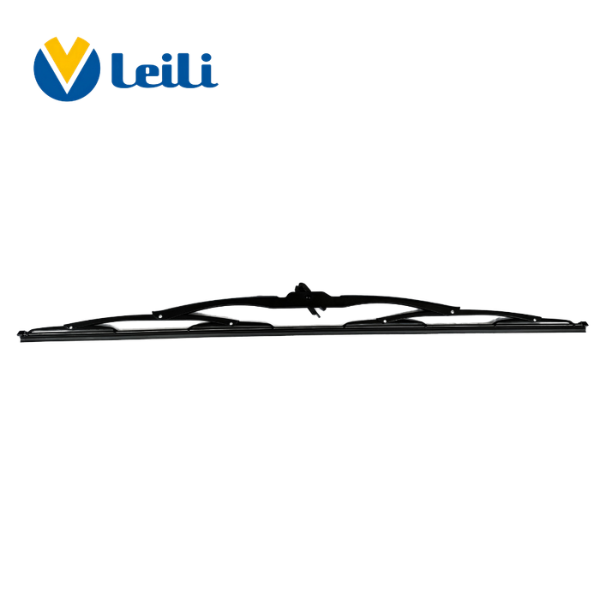
.png)
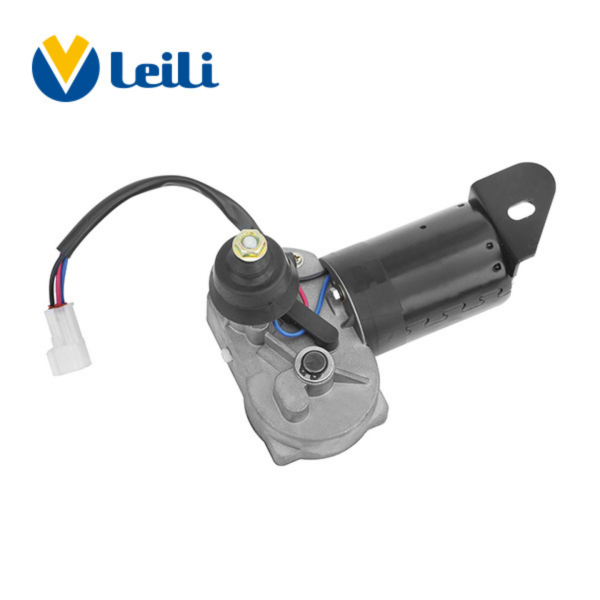
KG-009 Single Vertical Wiper Assembly, for Yutong/Yaxing Passenger Buses
Technical Specifications
- Model:KG-009
- Center Distance of Wiper Linkage:Freestanding
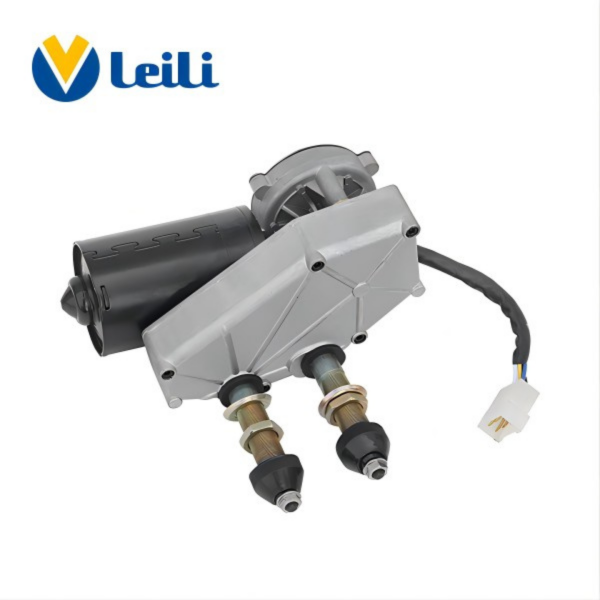
- Motor Model:40-80w 24v/40-80w 12v Pure Copper Core Permanent Magnet DC Windshield Wiper Motor
- Wiper Blade:800mm-600mm
- Wiper Arm:800mm-600mm
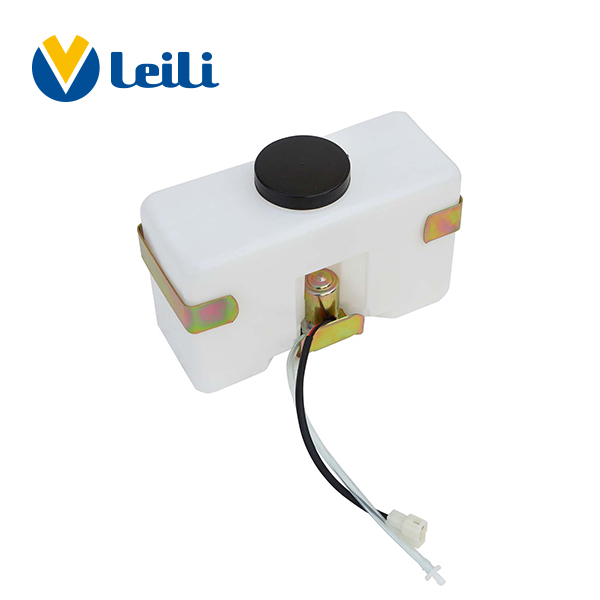
- Washer:1.5L
- Application:Big-bus/Construction vehicle
- Noise Level:≤ 50dB (Library-level quietness)
- Protection Rating:IP52 Waterproof & Dustproof
- Compatibility:Covering 90% of mainstream buses
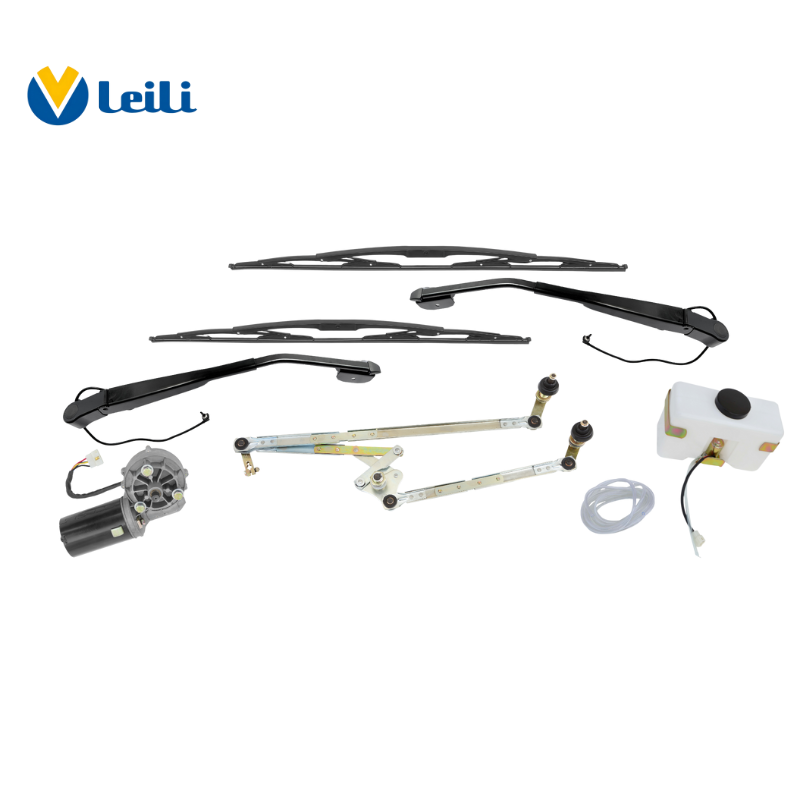
KG-004 Complete Overlapped Wiper Assembly
Technical Specifications
- Model:KG-004
- Center Distance of Wiper Linkage:1980mm-1640mm
- Motor Model:180w 24v/180w 12v Pure Copper Core Permanent Magnet DC Windshield Wiper Motor
- Wiper Blade:1000mm-800mm
- Wiper Arm:780mm-700mm
- Washer:3.5L
- Application:Big-bus
- Noise Level:≤ 50dB (Library-level quietness)
- Protection Rating:IP52 Waterproof & Dustproof
- Compatibility:Covering 90% of mainstream buses
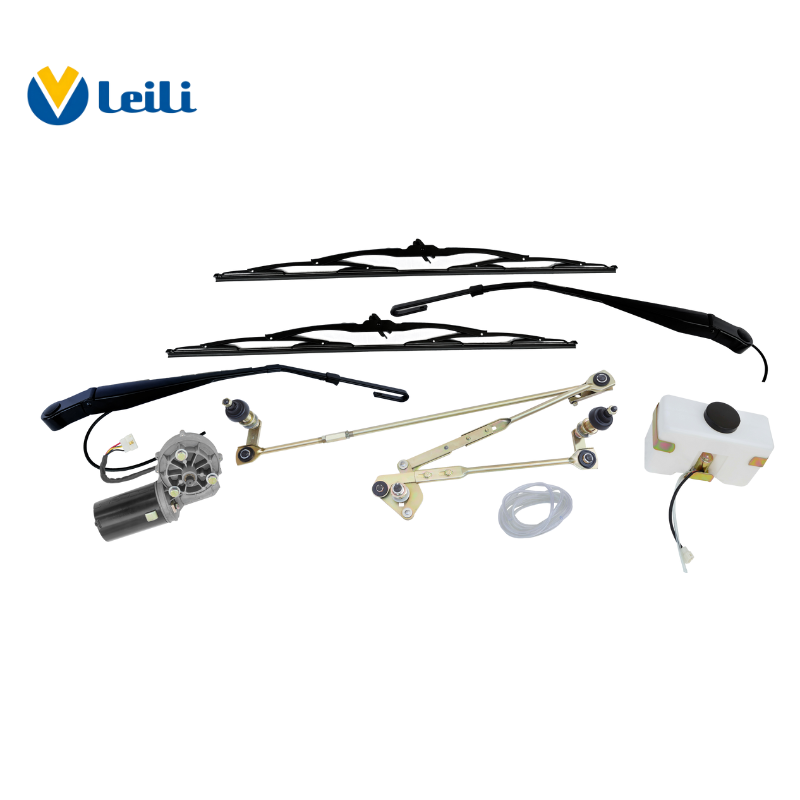
KG-001 Overlapped Wiper Assembly (Motor + Linkage)
Technical Specifications
- Model:KG-001
- Center Distance of Wiper Linkage:1980mm-1720mm(Customizable size)
- Motor Model:180w 24v/180w 12v Pure Copper Core Permanent Magnet DC Windshield Wiper Motor
- Wiper Blade:1000mm-900mm(Customizable size)
- Wiper Arm:850mm-750mm(Customizable size)
- Washer:3.5L
- Application:Big-bus
- Noise Level:≤ 50dB (Library-level quietness)
- Protection Rating:IP52 Waterproof & Dustproof
- Compatibility:Covering 90% of mainstream buses
.png)


