


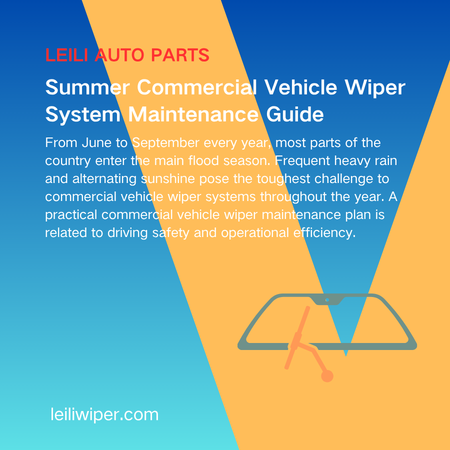
Within the full-scenario commercial vehicle operation system, the windshield wiper arm is a core power transmission and load-bearing component. It runs through many commercial vehicle types. These include coaches, buses, city buses, heavy-duty trucks, engineering vehicles, and rail transit vehicles. The wiper arm directly determines how well the wiper blade fits on the windshield. It is a key link for driving visibility safety, compliant operation, and risk prevention. Currently, fleet managers, passenger operators, freight drivers, and auto parts professionals generally understand the visibility function of wiper blades. However, they lack a deep professional understanding of the wiper arm. This includes its definition, core structure, working principle, and special design for commercial vehicle scenarios.
What Is a Wiper Arm and Why It Matters
Leili brings you this comprehensive guide. Leili is a leading expert in commercial vehicle wiper systems. We will break down everything you need to know about wiper arms. We focus on heavy-duty commercial vehicles. These include coaches, city buses, trucks, engineering machinery, and rail transit equipment. We will cover the wiper arm definition. We will also cover mounting locations on different vehicle types. You will learn about core components and their roles. We explain the primary safety functions and working mechanism. We also list common commercial-grade wiper arm types. Finally, we share professional selection and maintenance tips. Whether you manage a passenger fleet, run a logistics company, or operate engineering machinery, this guide gives you a full understanding of this essential safety component.
What is a Wiper Arm?
To begin with, a wiper arm is the core mechanical transmission component of a vehicle’s windshield wiper system. Additionally, people also call it a windshield wiper arm or windscreen wiper arm. Specifically, this rigid metal assembly connects the wiper linkage pivot shaft at one end. At the other end, it secures the wiper blade. The arm is only one part of the assembly; the wider picture is covered in our overview of wiper assemblies for commercial vehicles.
How the Wiper Arm Works with Other Systems
The wiper arm works with the wiper motor, linkage system, blade, and washer fluid system. It transmits the reciprocating rotational motion from the linkage to the blade. At the same time, it applies constant and uniform spring pressure. This pressure presses the blade tightly against the windshield. Unlike comfort-focused auto parts, the wiper arm is a critical safety component for commercial vehicles. Its structural rigidity, pressure stability, and reliability directly determine the wiping effect. That effect ensures the driver has clear visibility in all weather and road conditions.
Special Design for Commercial Vehicles
Commercial vehicles include large coaches, city buses, heavy-duty trucks, engineering vehicles, and rail transit cars. These vehicles need wiper arms with much stricter design requirements than passenger cars. The arms must withstand longer continuous operating hours. These arms also face higher vibration from heavy-duty chassis. In addition, they need larger wiping torque for oversized windshields. Furthermore, they endure harsh conditions like heavy dust, extreme temperature changes, and high-speed wind loads. Leili specializes in heavy-duty wiper arms for commercial vehicles. Our arms deliver reliable torque transmission and pressure stability. They perform well even in the most demanding environments. Wiper arms support all passenger vehicles, commercial trucks, buses, and heavy machinery. We customize designs to fit specific windshield shapes, sizes, and operating needs.
Front Wiper Arm Mounting on Passenger Vehicles
In most modern passenger cars, SUVs, and light trucks, the wiper arms mount at the base of the front windshield. Their root end fixes to the pivot shaft of the wiper linkage system. This shaft protrudes through the vehicle’s cowl panel. Most light vehicles have two symmetric wiper arms. When not in use, they rest in a low position at the bottom of the windshield. This ensures they do not block the driver’s normal line of sight.
Commercial Vehicle Wiper Arm Mounting Layout
For commercial vehicles, the mounting layout is specially engineered. It matches the oversized, wide, and highly curved windshields of large coaches, city buses, heavy-duty trucks, and engineering vehicles. Most city buses and intercity coaches use dual heavy-duty wiper arms with extended length. Some large passenger vehicles even use three or more wiper arm assemblies. This covers the full width of the driver’s viewing area. It also ensures zero blind spots during urban routes or long-distance passenger transport.
Mounting for Heavy-Duty Trucks and Engineering Vehicles
Heavy-duty trucks and engineering vehicles include excavators, loaders, and cranes. Specifically, these vehicles usually use reinforced wiper arms mounted on high-torque pivot shafts. As a result, the design withstands intense vibration, heavy dust, and impact on construction sites and unpaved roads.
Custom Solutions for Rail Transit Vehicles
For rail transit vehicles and locomotive cabs, Leili provides customized wiper arm solutions. In particular, these meet the strict safety standards of rail operation. Furthermore, they adapt to high-speed running, extreme environmental changes, and strict vibration resistance requirements.
Rear Wiper Arm Mounting
Many commercial vehicles also have rear wiper arms. These include delivery vans, minibuses, and engineering machinery. The rear arm mounts on the rear windshield or cab window frame. It works with rear wiper blades to maintain clear visibility. This helps with reversing, lane changes, and parking maneuvers in busy urban or construction environments.
Core Parts of a Wiper Arm
A wiper arm may look like a simple rigid metal component. But it is made up of several precision-engineered parts. Each part has a specific function. Together, they ensure stable torque transmission, consistent pressure output, and reliable long-term operation. This is especially true for commercial-grade wiper arms. They require a reinforced heavy-duty design. This meets the demands of high-load, long-hour commercial vehicle operation. Below is a breakdown of the main wiper arm parts and their roles. We also include insights into Leili’s commercial vehicle-specific optimizations.
Arm Body (Main Beam)
First, the arm body is the main rigid structure of the wiper arm. In particular, it transmits the reciprocating torque from the pivot shaft to the wiper blade. At the same time, it also maintains structural stability under high vibration and wind load conditions. For commercial heavy-duty applications, manufacturers typically make it from high-strength galvanized steel, stainless steel, or aluminum alloy. These materials include anti-corrosion and anti-rust surface treatment. This helps the arm body adapt to harsh outdoor and working environments.
For commercial vehicles with oversized windshields, Leili’s heavy-duty wiper arm bodies use a reinforced segmented design. This design includes optimized structural strength. It avoids bending or deformation under long-term high-load operation. At the same time, it ensures the torque evenly transmits to the entire length of the wiper blade.
Spring Tension Mechanism
The spring tension mechanism is the core functional component of the wiper arm. It consists of a heavy-duty coil spring and hinge structure. This mechanism provides constant and stable downward pressure to the wiper arm. It presses the wiper blade tightly against the windshield surface. It does this throughout the entire wiping stroke. This works even across the curved contour of large commercial vehicle windshields.
Unlike passenger vehicle wiper arms with fixed spring pressure, Leili’s commercial vehicle wiper arms use a multi-level adjustable spring tension design. You can fine-tune it according to the size of the wiper blade. You can also adjust it based on the curvature of the windshield and the operating conditions. This ensures uniform pressure distribution. It also avoids problems like blade lifting, streaking, or skipping during high-speed operation.
Pivot Shaft Connection End (Root Mounting Head)
The pivot shaft connection end is the root part of the wiper arm. It fixes to the output pivot shaft of the wiper linkage system. Designers usually use a spline or taper hole structure for this part. They match it with a locking nut and anti-loosening washer. This ensures a firm and non-slip connection with the pivot shaft. It also accurately transmits the reciprocating rotational motion from the linkage system to the arm body.
For commercial vehicle applications with high vibration levels, Leili’s wiper arm connection ends use a reinforced anti-loosening design. This design maintains a firm locking state under long-term continuous vibration. It works well on heavy-duty truck and engineering vehicle chassis. It avoids loosening, slipping, or even falling off during operation.
Wiper Blade Adapter (Attachment Head)
The wiper blade adapter is the terminal part of the wiper arm. It fixes and connects the wiper blade. Designers create different connection structures for different vehicle types. These include the universal J-hook, side lock, top lock, bayonet, and bolt-on types for heavy-duty commercial vehicles. This ensures a secure and rattle-free fit between the arm and the blade.
Leili offers a full range of commercial vehicle-specific blade adapters. These adapters are compatible with mainstream coach, bus, truck, and engineering vehicle brands worldwide. We also provide customized connection solutions for special vehicle types. These include rail transit equipment and heavy engineering machinery. Our adapters perfectly match Leili commercial vehicle wiper blades. Together, they form a complete, high-performance wiper system.
Hinge & Protective Components
The hinge structure sits at the middle part of the wiper arm. It allows you to lift the arm away from the windshield. This makes wiper blade replacement and maintenance easier. The protective components include dust covers, rubber boots, and end caps. These parts seal the internal spring, hinge, and connection areas. They block dust, dirt, road debris, ice, and snow from entering the internal structure. This prevents premature wear, corrosion, and jamming of the moving parts.
For commercial vehicles operating in dusty construction sites or icy winter conditions, Leili’s wiper arms come with heavy-duty protective components. These components ensure smooth movement of the hinge. They also keep the spring mechanism stable in harsh environments. As a result, they extend the overall service life of the wiper arm.
Primary Role and Core Functions
The wiper arm’s primary role is to transmit mechanical power from the wiper motor to the wiper blade. At the same time, it maintains stable pressure to keep the blade in full contact with the windshield. This ensures the execution of the wiping action. Its operation relies on the coordinated action of the vehicle’s entire wiper system. It delivers several critical safety and functional benefits, especially for commercial vehicle operations. Below is a detailed breakdown of its core functions and step-by-step working principle.
Core Functions of a Wiper Arm
1. Torque Transmission & Wiping Motion Execution
This is the most fundamental mechanical function of the wiper arm. Specifically, it acts as the core transmission bridge between the wiper motor, linkage system, and wiper blade. In practice, the arm converts the rotational motion from the wiper motor into a reciprocating sweeping motion of the blade across the windshield. For commercial vehicles with large, wide windshields, the wiper arm’s torque transmission performance directly determines the coverage and stability of the wiping action. As a result, this ensures the entire driver’s visible area is fully covered without dead spots. Ultimately, this coverage is the basis for safe driving of coaches, buses, and heavy-duty trucks in all weather conditions.
2. Constant Pressure Control & Wiping Performance Guarantee
The wiper arm’s spring tension mechanism provides constant and uniform downward pressure to the wiper blade. Notably, it does this throughout the entire wiping stroke. In turn, this ensures the blade’s rubber edge always stays tightly fitted to the curved windshield surface. Moreover, it works even at high speeds or in heavy rain and snow conditions. However, insufficient or uneven pressure will cause the wiper blade to lift, skip, or leave streaks. Consequently, this will seriously block the driver’s vision and lead to driving safety hazards. By contrast, Leili’s commercial vehicle wiper arms use precise pressure control. As a result, they maintain stable pressure output under long-term continuous operation. Therefore, this ensures the best fitting performance of the wiper blade and a reliable wiping effect.
3. Vibration Damping & High-Speed Stability
For long-haul heavy-duty trucks and high-speed coaches, the wiper arm must withstand strong wind load at high speeds. It also faces continuous vibration from the vehicle chassis. The reinforced structural design of a heavy-duty wiper arm can effectively dampen vibration. It also resists wind lift. This maintains the stability of the wiping action at high speeds. It avoids chattering, bouncing, or lifting of the wiper blade. This function is especially critical for commercial vehicles that operate on highways for a long time. It ensures the driver can still obtain clear vision in rainy weather while driving at high speed.
4. System Protection & Service Life Extension
A high-quality, well-matched wiper arm evenly distributes the load to the entire wiper system. This avoids local overload of the wiper motor, linkage system, and wiper blade caused by uneven force. At the same time, its anti-corrosion and anti-wear design adapts to harsh working environments. This reduces the failure rate of the entire wiper system. It also extends the service life of the wiper blade, wiper motor, and other related components. For commercial vehicle fleet operators, this directly reduces the frequency of parts replacement and vehicle downtime. It also lowers long-term operation and maintenance costs.
How a Wiper Arm Works: Step-by-Step Working Principle
The operation of the wiper arm is a coordinated process. It involves the vehicle’s electrical system, wiper motor, linkage mechanism, and the wiper arm itself. For commercial vehicles, this system is reinforced. It handles higher torque output, longer duty cycles, and more extreme operating conditions. Here is a step-by-step breakdown:
1.Activation Signa
When the driver activates the wiper control stalk on the steering column, or when the vehicle’s automatic rain sensor detects moisture on the windshield, an electrical signal is sent to the wiper motor. The motor then energizes and starts to run.
2. Power Transmission and Motion Conversion
The wiper motor’s high-speed rotational motion is reduced and torque-amplified by the worm gear reduction mechanism. Then, the wiper linkage system converts it into reciprocating rotational motion of the left and right pivot shafts. This system usually uses a four-bar linkage mechanism.
3. Wiper Arm Movement
The root of the wiper arm is firmly fixed to the pivot shaft. It rotates synchronously with the pivot shaft. This rotation drives the entire arm body and the wiper blade fixed at the end. Together, they perform a reciprocating sweeping motion across the windshield.
4. Pressure Application During Sweeping
During the entire sweeping stroke, the built-in spring tension mechanism of the wiper arm continuously applies stable downward pressure to the arm body. This forces the wiper blade at the end to maintain tight and uniform contact with the windshield surface at all times. It works even across the curved contour of a large commercial vehicle windshield.
5. Cleaning Action and Speed Control
As the wiper arm swings, the wiper blade’s rubber edge slides across the glass at a precise contact angle. It pushes water, debris, and contaminants to the edge of the windshield and off the glass surface. The driver can adjust the swing speed and intermittent mode of the wiper arm through the control system. This adjustment depends on the rainfall level. It helps achieve the best visibility guarantee effect.
6. Park Position Return
When the wiper turns off, the wiper motor and linkage system drive the wiper arm back to the preset park position at the bottom of the windshield. This ensures the arm does not block the driver’s normal line of sight during daily driving.
7. Aerodynamic Stability at Highway Speeds
At highway speeds, the aerodynamic optimized design of Leili’s commercial vehicle wiper arms can effectively resist wind lift. It uses wind pressure to further stabilize the arm body. This ensures the wiper blade still maintains full contact with the windshield. It also avoids wiping blind spots, chattering, or noise during high-speed operation of trucks and coaches.
Common Types of Wiper Arms for Commercial Vehicles
Wiper arms fall into multiple categories based on their structural design, motion mode, and application scenarios. Each type has unique benefits and ideal use cases for different commercial vehicle types. Leili offers a full range of wiper arm solutions for commercial vehicles. Each product line is tailored to the specific operating conditions of the target vehicle type:
Radial Wiper Arms (Swing Type Wiper Arms)
Radial wiper arms are the most common type for modern commercial vehicles. They work well on heavy-duty trucks, city buses, and medium-sized coaches. These arms perform a fixed-radius fan-shaped swinging motion around the root pivot shaft. They have a simple and reliable structure. They also offer high torque transmission efficiency. Installation and maintenance are easy. Leili’s heavy-duty radial wiper arms use a reinforced steel structure and adjustable spring tension. You can customize their length and swing angle based on the windshield size of different commercial vehicle models. These arms are widely compatible with mainstream truck and bus brands worldwide.
Pantograph Wiper Arms
As mentioned, pantograph wiper arms feature a complex parallelogram linkage. As a result, they keep the blade parallel to the windshield. In addition, they expand to cover larger areas. Consequently, they are standard for large coaches and rail vehicles. Specifically, this design ensures streak-free wiping. Leili's arms use high-strength alloys. Thus, they maintain stable operation under high loads. (148 characters)
Articulated Heavy-Duty Wiper Arms
Articulated arms use a multi-segment joint. Specifically, this adapts to complex windshield shapes. For example, they suit mining trucks and engineering vehicles. In these vehicles, space is often tight. As a result, these arms offer strong impact resistance. Moreover, they perform well in harsh environments. Finally, Leili provides fully customized solutions. (148 characters)
Bolt-On Fixed Wiper Arms
Bolt-on wiper arms fix to the pivot shaft and blade through a bolt and nut locking system. As a result, this creates an extremely firm and reliable connection. In particular, the design resists strong vibration and impact without loosening. These arms are widely used in older heavy-duty trucks, construction machinery, and industrial vehicles. Notably, these applications have high requirements for connection firmness in high-vibration environments. Furthermore, Leili's bolt-on arms use an anti-loosening locking design. They also come with high-strength fasteners. Consequently, these arms maintain a firm connection under long-term vibration. Therefore, they suit heavy-duty commercial vehicles with extremely harsh conditions.
Specialized Wiper Arm Variants
In addition to these core types, Leili also provides specialized commercial vehicle wiper arm variants. These include winter-specific anti-icing wiper arms for cold climate operations. We also offer corrosion-resistant stainless steel wiper arms for coastal and humid areas. For special vehicles, we provide fully customized wiper arm assemblies. These serve rail transit locomotives, fire trucks, and sanitation vehicles.
Leili Commercial Vehicle Wiper Arm Selection & Maintenance Best Practices
Undoubtedly, choosing the right wiper arm for your commercial vehicle is critical. Similarly, scientific regular maintenance also matters a lot. Together, these practices ensure driving safety. Moreover, they also reduce operational downtime and lower long-term maintenance costs. Leili has years of deep expertise in the commercial vehicle wiper system field. We share the following core selection and maintenance guidelines. These apply to buses, coaches, city buses, trucks, engineering vehicles, rail transit vehicles, and other commercial vehicles: As a custom wiper arm manufacturer, Leili also builds arms to the exact length, mounting interface and spring pressure each vehicle programme requires.
Confirm Vehicle-Specific Type, Size and Installation Compatibility
Commercial vehicle windshields vary widely in size and curvature. Wiper system layouts also differ across coaches, city buses, heavy-duty trucks, and engineering vehicles. First, you need to confirm the correct type of wiper arm that matches the original vehicle design. Options include radial, pantograph, and articulated types. You also need the accurate length, swing angle, and pivot shaft connection specifications. Leili provides wiper arms with full compatibility for mainstream commercial vehicle brands and models worldwide. We offer customized size and mounting solutions for special vehicle types. These include rail transit equipment and engineering machinery. This ensures a perfect fit with the original vehicle wiper system. It also provides full wiping coverage without dead spots.
Select Products Matched to Your Operating Environment
Different commercial vehicle scenarios have vastly different requirements for wiper arms. For example, city buses and coaches need arms that withstand frequent start-stop operation and urban road dust. In contrast, long-haul heavy trucks require high-speed aerodynamic stability and all-weather adaptability. Similarly, engineering vehicles need heavy-duty, impact-resistant, and dust-proof arms for construction site environments. Likewise, rail transit vehicles need wiper arms that meet strict rail industry safety standards and high-speed operation stability. As a result, Leili's commercial vehicle wiper arm product line is developed specifically for these segmented scenarios. In practice, we use targeted material, structural, and surface treatment design to meet the needs of different working conditions.
Ensure Pressure Matching with Wiper Blades
To begin with, the spring tension of the wiper arm must accurately match the length and type of the wiper blade. On one hand, too much pressure will accelerate wear of the wiper blade rubber. Furthermore, it will also increase the load on the wiper motor. On the other hand, too little pressure will cause poor fitting of the blade. As a result, this negatively affects the wiping effect.. It ensures the best wiping performance. At the same time, it maximizes the service life of the entire wiper system.
Follow Scientific Regular Inspection and Maintenance Specifications
Commercial vehicles have longer operating hours and harsher working conditions. As a result, their wiper arms need more frequent inspection and maintenance than passenger vehicles. Leili recommends that commercial vehicle operators inspect the wiper arms before each shift. Check for bending, deformation, or corrosion of the arm body. Also check for loosening at the connection end, abnormal jamming of the hinge, and weakening of the spring tension. Replace the wiper arm immediately if any of these problems occur. Also replace it if the wiper blade shows streaking, skipping, or uneven wiping that a blade replacement cannot solve. For regular scheduled maintenance, we recommend lubricating the hinge and connection joints every 3 months. Carry out a comprehensive performance inspection every 6 months. This ensures long-term stable operation of the wiper system.
Conclusion
Why the Wiper Arm Matters for Commercial Vehicles
As we have covered, the wiper arm is a deceptively simple yet absolutely critical core component of the vehicle wiper system. For commercial vehicles including coaches, city buses, heavy-duty trucks, engineering vehicles, and rail transit equipment, its performance directly ties to operational safety, passenger security, cargo protection, and fleet efficiency. Specifically, as the core bridge between the wiper motor’s power output and the blade’s cleaning action, it ensures stable motion transmission and uniform blade fit against the windshield. Consequently, this reliable operation forms the foundation of safe commercial vehicle driving in all weather and road conditions.
Leili’s Commitment to Quality Wiper Solutions
Notably, Leili is a professional supplier of full-system commercial vehicle wiper solutions. We are deeply committed to the R&D and manufacturing of high-quality heavy-duty wiper arms tailored to the unique needs of the commercial vehicle industry. For example, our products meet the stringent requirements of buses, coaches, city buses, trucks, engineering vehicles, rail transit vehicles, and other commercial vehicle types. They also deliver consistent, reliable, and long-lasting torque transmission and pressure stability even in the most demanding environments. Furthermore, when matched with Leili commercial vehicle wiper blades, motors, and linkage systems, they form a complete, high-performance wiper system. In short, this provides all-round safety for your commercial vehicle operation.
What to Expect in Upcoming Guides
Understanding the wiper arm’s core components, working principle, and selection specifications helps fleet operators and auto parts professionals. With this knowledge, you can select the right products and maximize system performance. Looking ahead, our upcoming guides will dive into common wiper arm faults and troubleshooting methods for commercial vehicles. We will also provide step-by-step installation instructions for different commercial vehicle types. Finally, we will give a detailed breakdown of Leili’s full commercial vehicle wiper system product line. As a result, this will help you reduce operational risks and optimize vehicle safety.
Related resources
Two further checks decide whether an arm holds its pressure in service — the tension analysis and the blade it drives:
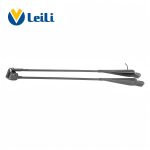
SG08-C Wiper Arm – Customizable Length Available
The SG08-C wiper arm is a heavy-duty windshield wiper arm for commercial vehicles. Length is customizable to fit different truck and bus models. Durable steel construction ensures reliable wiping performance.
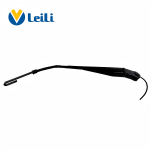
SG05-B Single Wiper Arm – Hook-Type Design
The SG05-B is a single-bar hook-type wiper arm. It features a J-hook end for easy blade installation. Ideal for light commercial vehicles and compact trucks.
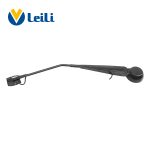
SG02-A Single Tube Flat Wiper Arm
The SG02-A is a single tube flat wiper arm. It features a flat blade connection for stable wiping. Suitable for commercial vehicles requiring a low-profile design.
.png)


