


Introduction
When it comes to heavy-duty trucks, buses, marine vessels, and aircraft, a standard windshield wiper just won't cut it. These industries demand extreme durability, weather resistance, and precise engineering—which is why a robust wiper assembly is essential.
As an established OEM wiper assembly manufacturer, we understand that a reliable clear view is critical for safety. In this guide, we will break down the essential components of a heavy-duty wiper assembly and explain how custom-engineered systems can elevate your vehicle's performance.
The Anatomy of a High-Performance Wiper Assembly
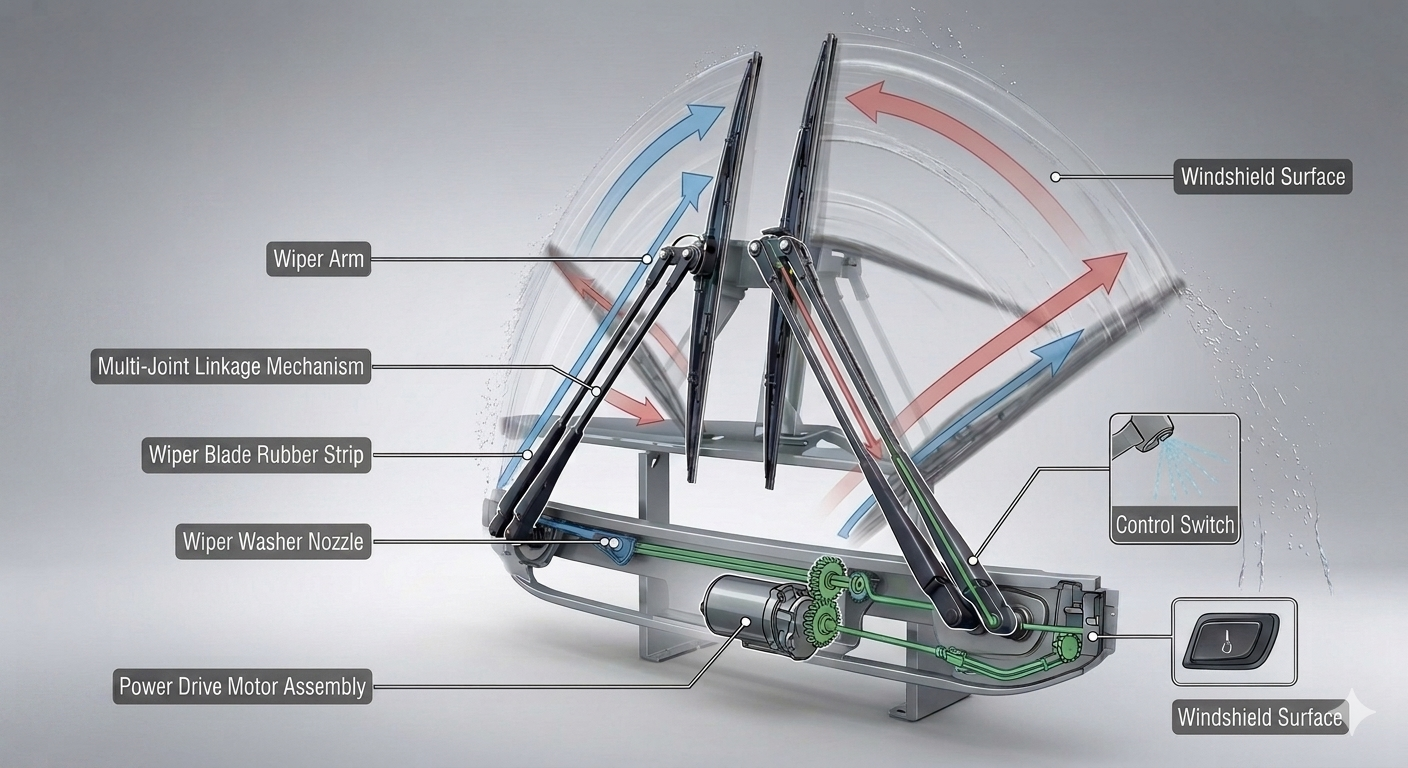
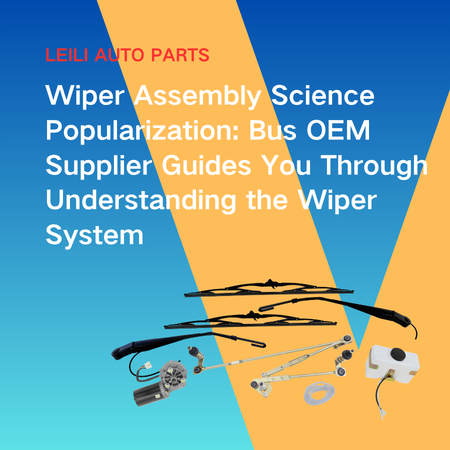
A complete windshield wiper system is a complex synergy of multiple components. To guarantee long-lasting performance, every part must be engineered to work seamlessly together:
Heavy-Duty 2026 wiper motor guide:
The heart of the system. For commercial use, motors must offer high torque, adjustable angles, and robust waterproofing (such as IP66/IP67 ratings) to withstand harsh environments.
Wiper Arms & Wiper Blades:
Designed with premium materials (like galvanized steel or anti-corrosion coatings) and heavy-duty rubber to ensure consistent pressure distribution across large or curved windscreens.
Wiper Linkage (Pantograph System):
The mechanical backbone that converts the motor's rotational motion into the precise sweeping movement of the arms.
washer tank Systems:
High-pressure pumps and custom nozzles that ensure clear visibility in muddy or icy conditions.
Beyond Wipers: Integrated Industrial Solutions (Bus Locks & Mechanisms)
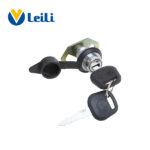
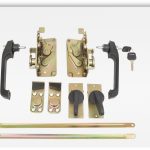
For transport manufacturers (buses and coaches), sourcing components from multiple vendors can lead to compatibility issues. That is why we expand our expertise beyond wiper systems to high-quality bus passenger door locks, luggage compartment locks, and heavy-duty latches. By integrating locking systems and wiper assemblies under one OEM standard, we help manufacturers streamline their supply chains.
Cross-Industry Applications: From Commercial Trucks to Aviation and Marine
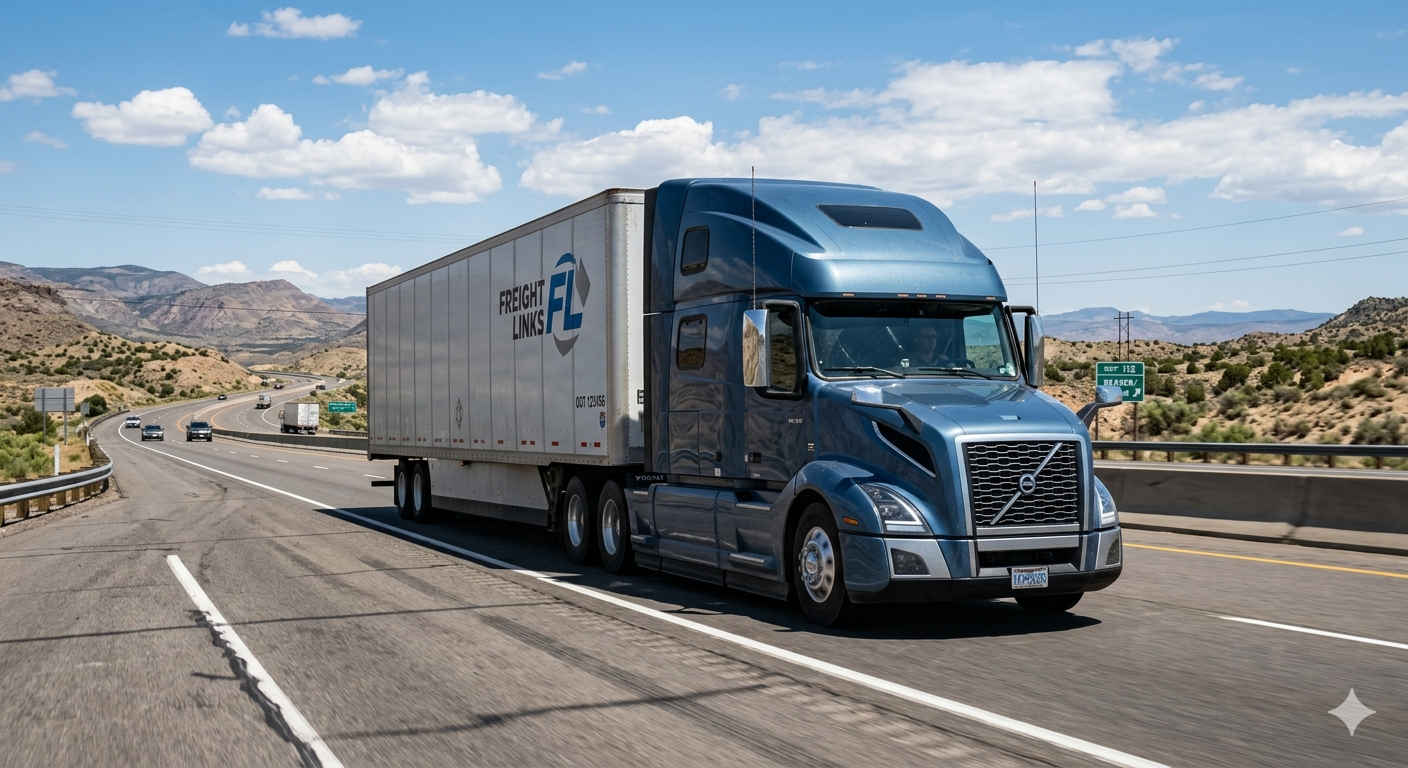
Standard cars face rain, but commercial applications face extreme elements. Custom wiper assemblies must be tailored to specific industries:
- Buses & Trucks: Require continuous operation, high durability, and aerodynamics to handle high-speed wind resistance.
- Marine & Ships: Must feature marine-grade stainless steel (SUS316) to resist saltwater corrosion.
- Aviation & Specialized Vehicles: Demand lightweight yet high-strength materials capable of operating under extreme pressure and temperature differentials.

Why OEM Customization is Essential for Modern Fleet Manufacturers
Off-the-shelf wiper parts often fail to meet the unique dimensions and curved glass of modern commercial vehicles. Partnering with a custom manufacturer offers:
- Tailored Motor Torque & Sweep Angles: Optimized for your exact windshield geometry.
- Strict OEM Quality Standards: Fully compliant with international automotive and transport regulations.
- End-to-End Engineering Support: From 3D CAD design and prototyping to mass production and durability testing.

Partner with a Trusted Wiper Assembly & Bus Lock Manufacturer
Choosing the right wiper system is a matter of safety and operational efficiency. Whether you are building next-generation transit buses, heavy-duty trucks, or marine vessels, we provide tailored, robust, and OEM-certified solutions.
Ready to discuss your project requirements? [Contact our engineering team today] for a custom consultation and quotation.
Choosing a manufacturing partner is easier once the specification is fixed, and LEILI builds custom wiper system configurations from that point through to series production.
Related resources
A custom build still has to start from a motor and end at a vehicle, so both are worth pinning down before the drawing:


.png)


