



1. What is a wiper linkage?
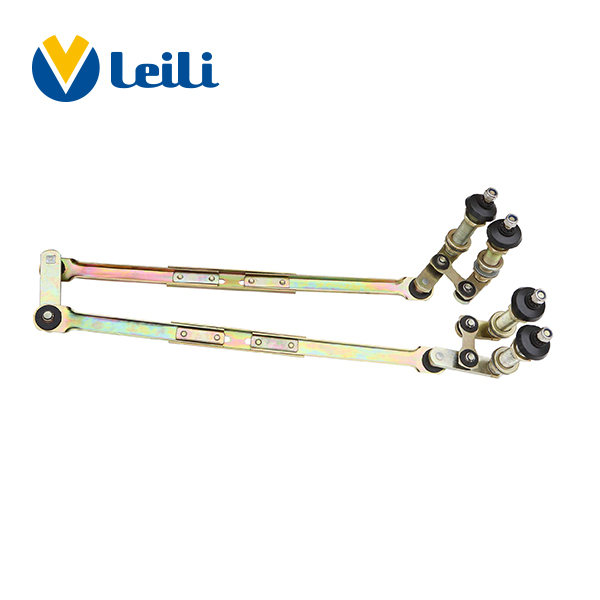
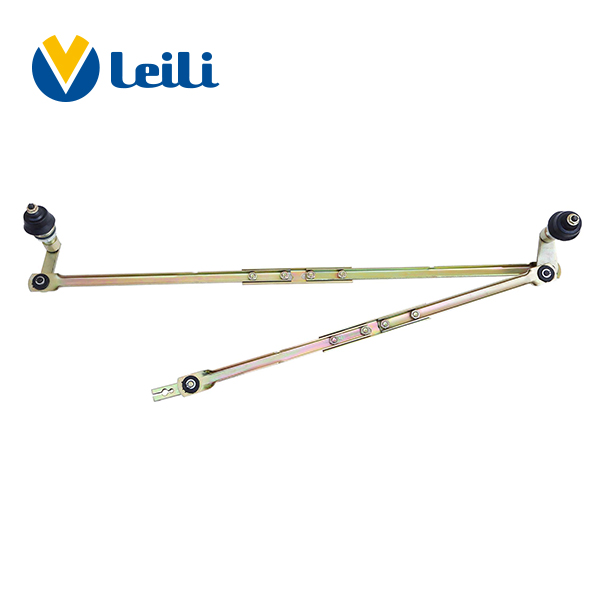
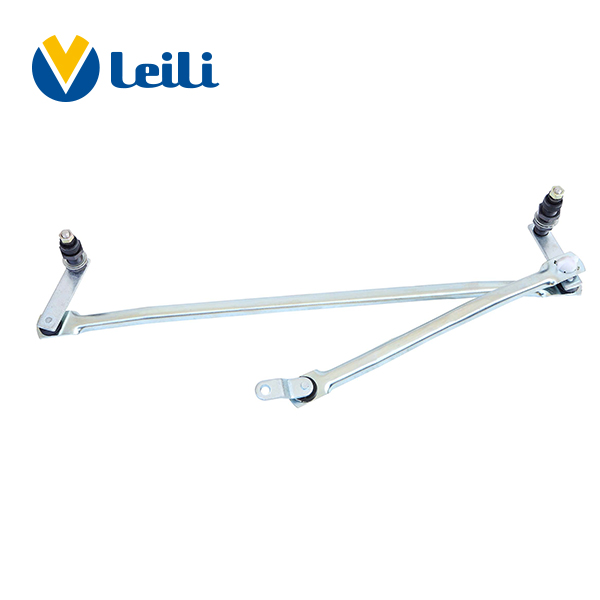
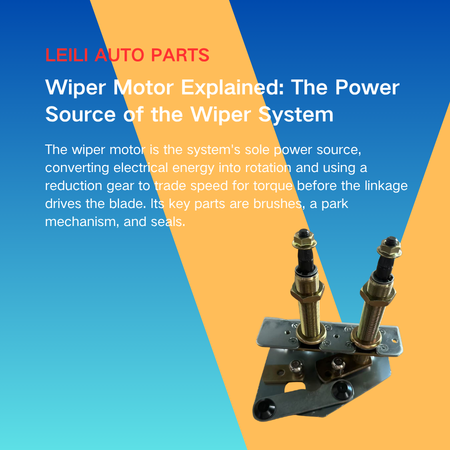
A wiper linkage is the mechanical transmission mechanism connecting the wiper motor to the wiper arm pivots. It converts the motor output rotation into the back-and-forth movement needed to sweep the windshield.
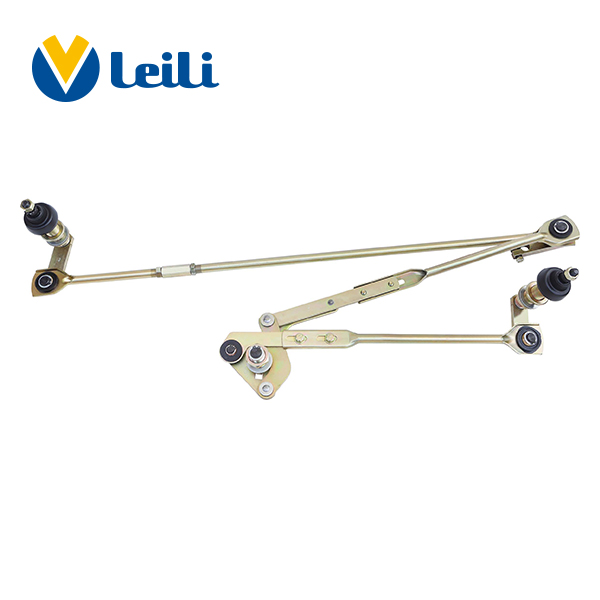
| Component Name | Function |
|---|---|
| Crank arm | The crank arm connects directly to the output shaft of the wiper motor, and this linkage component transmits the motor's rotational power to the connecting rods. |
| Drive Rod (Main Rod) | The connecting rods serve as transmission components within the wiper linkage, linking the crank arm to the wiper arms on both sides. This linkage part is primarily responsible for transmitting power across the entire mechanism. |
| Driven Rod (Auxiliary Rod) | The auxiliary rod is a linkage component that connects the two wiper arms, ensuring synchronized movement on both sides of the wiper linkage system. |
| Ball Joint and Socket | Ball joints and bushings act as connection nodes within the wiper linkage, providing flexible universal motion between each link. These small but critical linkage parts allow the entire assembly to move smoothly. |
| Pivot Assembly | The pivot housing is a linkage component fixed to the vehicle body, supporting the arm and allowing it to swing around an axis within the wiper linkage assembly. |
How the windshield wiper linkage works.
The motor turns the crank arm, which drives the connecting rods through ball joints. The rods move the wiper pivots back and forth. In a dual-arm system, the linkage geometry coordinates both arms; the sweep direction and timing depend on the design.
Related resources
Sizing is where most linkage orders go wrong, so the measuring guide and the vehicle data are worth reading next:
2. The primary function of the wiper linkage.
This is the most fundamental function of the linkage. Specifically, this linkage converts the rotational motion of the motor into the reciprocating oscillation required by the arm. Without this conversion mechanism, the rotational motion of the motor would not be able to directly drive the wiper to perform the cleaning action.
The geared wiper motor supplies rotational torque to the linkage. Crank length and linkage geometry determine the force, travel and sweep angle at the wiper pivots. These dimensions must be matched to the motor and application. Clear snow and ice before operation, and avoid running the blades on dry glass.
For vehicles equipped with dual wiper arms, the wiper linkage mechanism ensures that the left and right wiper arms move in synchrony. Whether the wipers are sweeping in the same direction or in opposite directions, this linkage guarantees that the trajectories of both wiper arms are coordinated and collision-free.
The design of the wiper linkage determines the oscillation angle and motion range of the wiper arm. By adjusting the lever arm length and the geometric structure of this linkage, engineers can precisely control the wiper's coverage area on the windshield.
After the wiper motor is turned off, the wiper linkage mechanism works in conjunction with the reset switch inside the motor to return the wiper arm to the predetermined “parking position” at the bottom of the windshield. This automatic return function of the linkage ensures that the driver’s view remains unobstructed.
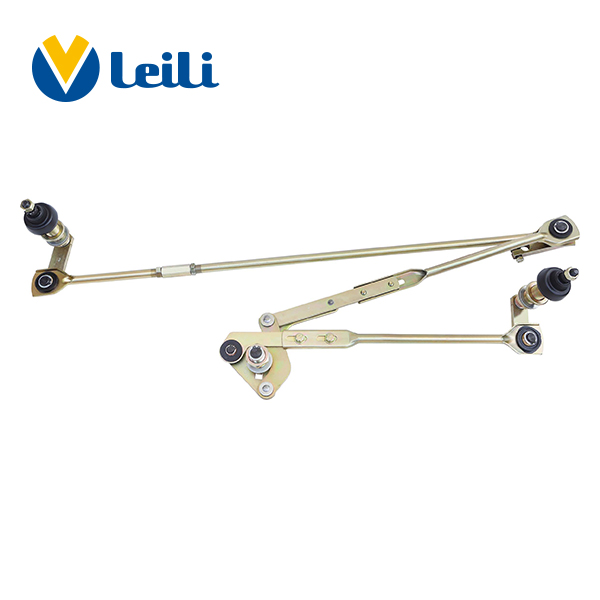
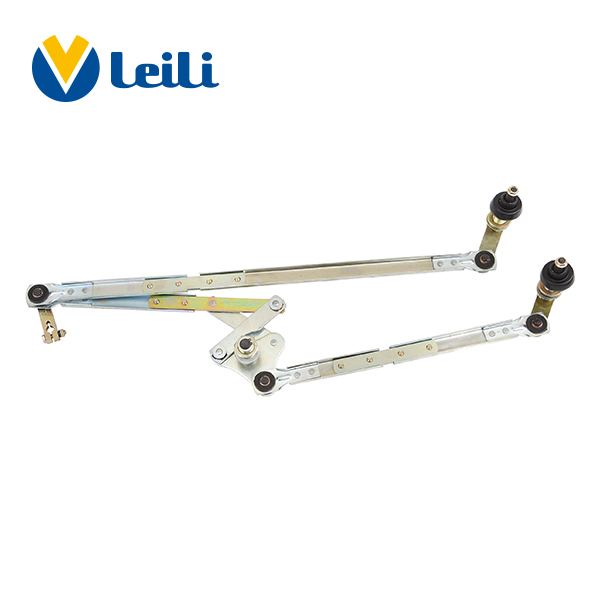
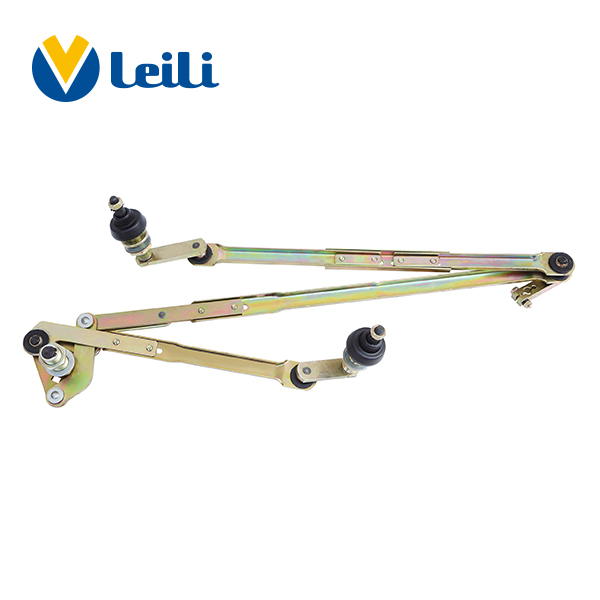
Common issues and symptom of wiper linkage problems.
Symptoms of the malfunction | Possible reasons | Severity |
|---|---|---|
The windshield wiper does not function, but the motor makes noise | Ball head detachment, connecting rod fracture | High |
Wiper blade angle becomes smaller | Shaft wear, crank arm looseness | Medium |
Wiper movement is stuck or shaking | Joint rusting, lack of lubrication | Medium |
Recommended periodic maintenance
- Lubrication: Follow the vehicle or linkage manufacturer's maintenance schedule and lubricant specification. Lubricate serviceable joints only. Do not open or lubricate sealed or maintenance-free joints unless the manufacturer instructs otherwise.
- Maintain cleanliness: Regularly remove accumulated leaves, mud, and other debris from the connecting rods to prevent accelerated wear on the joints.
- Check the ball head clearance: Gently shake the connection point of the connecting rod to see if there is any noticeable looseness. If the clearance is excessive, it should be addressed promptly.
- Winter-specific note: Before using the windshield wipers in snowy weather, make sure to clear away the ice buildup on the windshield to prevent the wipers from being frozen in place and causing damage to the linkage when they are forcibly activated.




.png)


