


I. Wiper Motor Complete Failure (No Response in Any Speed Setting)
This is the most serious fault. Troubleshoot from outside in, simple to complex.
Troubleshooting steps | Possible Causes | Solutions |
|---|
| Check the fuse | Circuit overload or short-circuit breakage | Replace the fuse. If it blows again, find and fix the short circuit. |
|---|---|---|
| Check the wiper switch. | Internal contacts of the switch are burned out. | Use a multimeter to test the switch, and replace it if necessary. |
| Check the wiring and plug | Common causes: loose plug, damaged wiring, or poor grounding. | Tighten the plug, clean the ground terminal, and repair any damaged wiring. |
| Directly supply power to the motor | Internal burnout of the motor has occurred. | If the issue still doesn’t change, you will need to replace the wiper motor assembly. |
Special Reminder:
The vast majority of large buses (including city buses and tourist coaches) use a 24V electrical system. Therefore, always confirm voltage compatibility when replacing fuses or motors.
II. Wiper Moves Slowly and Weakly
Frequent start-stop and extended running keep bus wiper motors under high load. As a result, slow wiper movement is a common issue technicians often encounter.
Cause classification | Specific performance | solution |
|---|
| Excessive external resistance | Main causes: aged blades, windshield oil film, and corroded or dry linkage joints. | To fix this, replace the blade, clean the glass, and lubricate the linkage ball joint. |
|---|---|---|
| Internal wear of the motor | Primary causes include excessive carbon brush wear, rotor wear, or magnet demagnetization. | If you measure the motor working current and find it is obviously high, then replace the motor. |
| Insufficient power supply | Common causes: dead battery, faulty generator, or excessive voltage drop. | First, check that motor terminal voltage stays close to the rated value. |
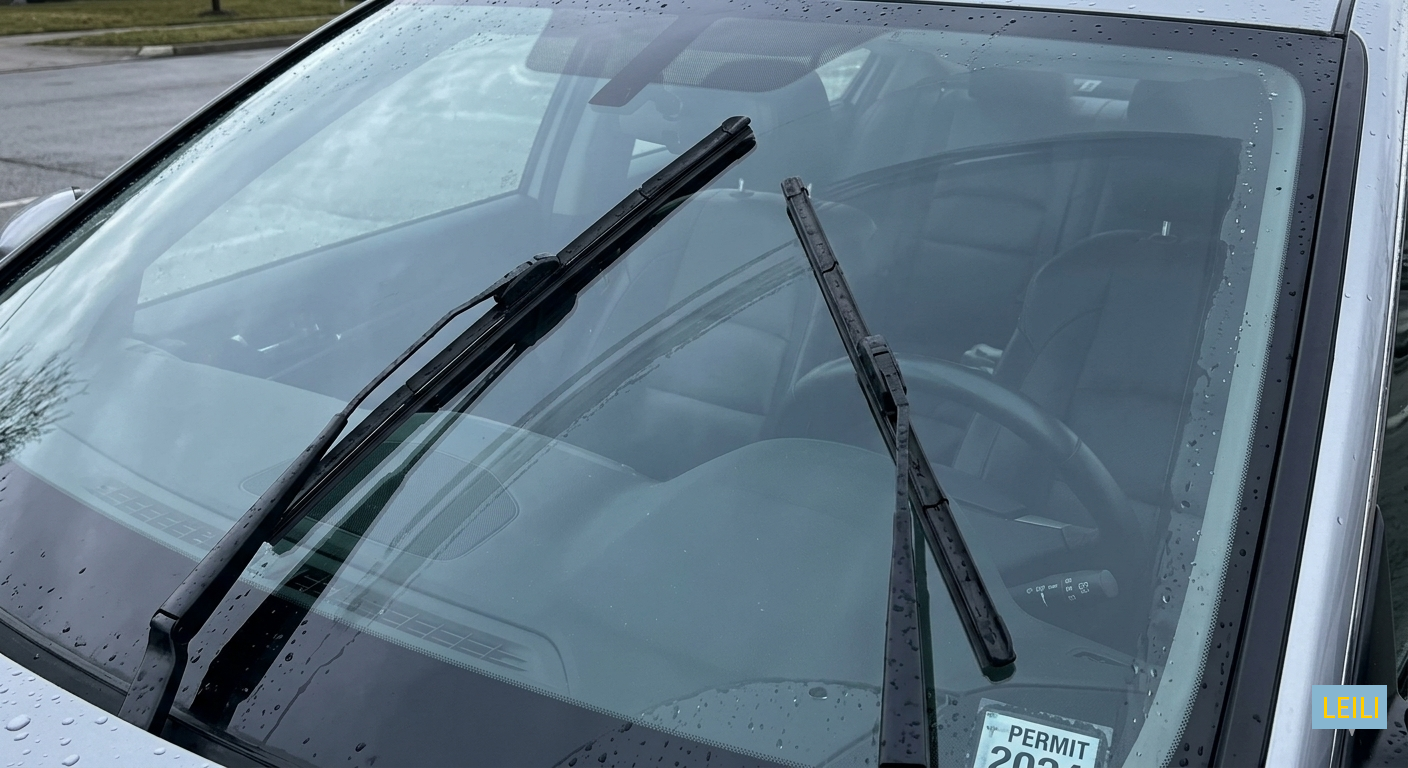
In daily operation, regular replacement of wiper blades is the simplest and most effective preventive measure. Specifically,aged and hardened blades can significantly increase motor load.
III. Wiper Abnormal Noise – The Difference Between “Clunking” and “Buzzing” Sounds
Abnormal noise is the most common complaint about bus wiper systems, but the key lies in distinguishing the source of the noise:
Noise type | Voice characteristics | source | solution |
|---|
| Mechanical noise | Regular knocking sounds of “giggle” or “crack” | Wiper arm loose, link ball head wear clearance, transmission rod interference | Tighten the wiper arm nut, inspect and replace the worn ball head. |
|---|---|---|---|
| Motor noise | A low grinding noise comes directly from the motor. | Motor bearing damage is another common issue, the worm gear is worn out, or there is no oil in the worm gear. | First, try to add lubricant, and if it doesn’t work, replace the motor assembly. |
School buses and tourist coaches operate intensively—check linkage lubrication monthly.
IV. Wiper Does Not Return to Park Position After Shutdown (Stops Randomly on the Windshield)
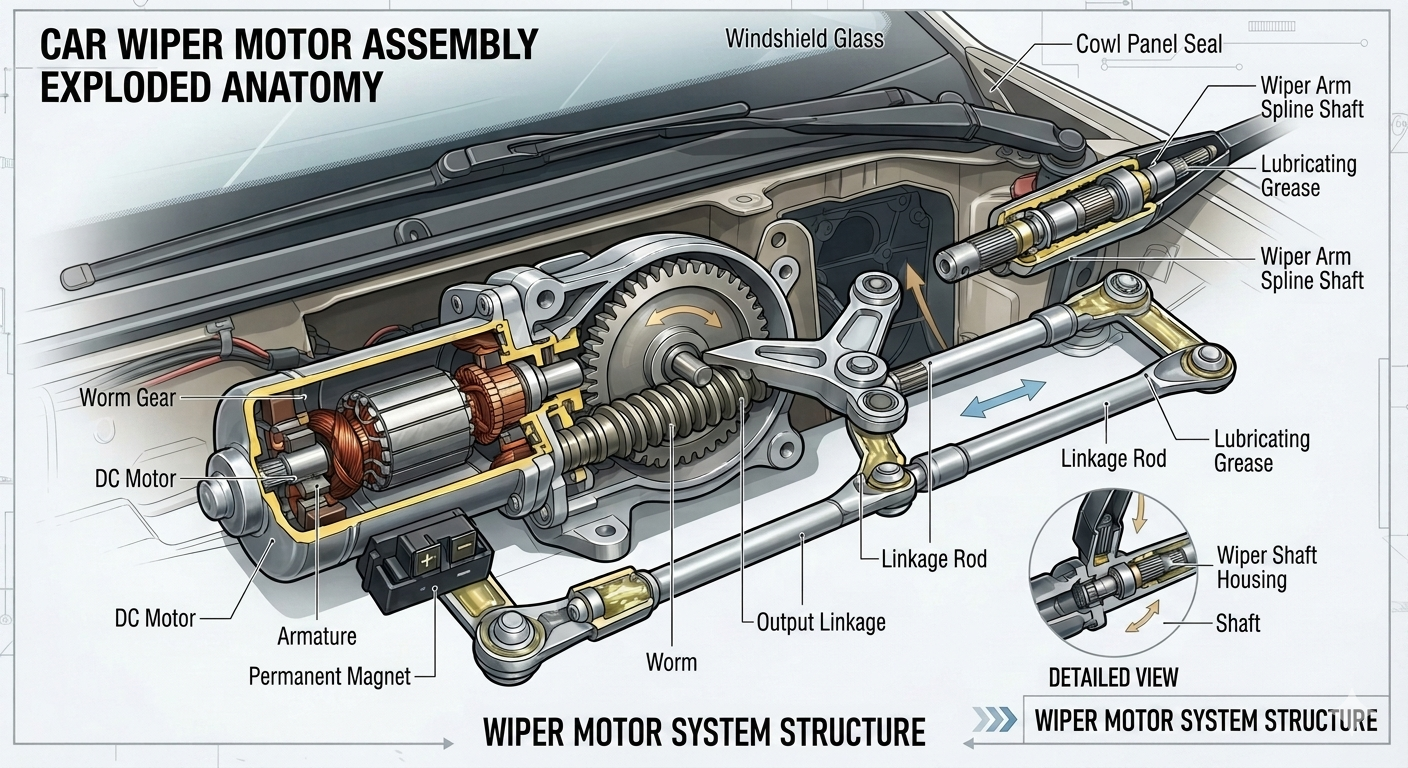
A classic failure of the automatic return mechanism is what this represents. Specifically, inside the wiper motor assembly, there is a return switch consisting of a copper contact plate and a spring-loaded contact strip. As the worm gear rotates, when it reaches a specific position, it cuts off the circuit, thereby ensuring the wiper blades stop at the lower edge of the windshield.
blade
Common phenomenon:
Intermittent gear becomes continuous scraping, intermittent frequency is wrong, and intermittent gear is completely unresponsive.
Check the path:
Find the intermittent control module (usually located under the fuse box or dashboard), and replace it to test and confirm.
According to the national standard GB 7258-2017 "Safety Specifications for Power-Driven Vehicles Operating on Roads," bus wiper blades must automatically return to the initial position when turned off. Failure of the return function constitutes a non-compliance item with the regulation, and the vehicle will not pass the annual inspection.
V. Only One Speed Setting Works
City bus drivers frequently need to switch between high and low speeds under varying rainfall intensities. If a particular speed setting fails, driving in rainy conditions becomes extremely inconvenient.
Symptoms of the fault | Possible causes | Investigation method |
|---|
| Low speed only, no response at high speed | High-speed gear brush wear or winding breakage, switch high-speed contact damage | Disassemble and inspect the length of the motor brushes, use a multimeter to measure the continuity of the high-speed gear lines. |
|---|---|---|
| High speed only available, low speed no response | Low-speed gear brush wear, series resistor short circuit | Check the corresponding gear line with the above method. |
BRT buses and double-decker buses, due to their large front windshield area, have a greater reliance on the high-speed setting. It is recommended to perform a full-speed function test once every quarter.
VI. Abnormal function of the intermittent gear
The intermittent wiper of the bus is managed by an independent intermittent relay or an electronic control module, and the failure of the module directly leads to the failure of the intermittent gear.
Intermittent mode malfunctions in three common ways: it may run as continuous scraping, the interval timing may be incorrect, or the gear may fail to respond at all.
To diagnose this, locate the intermittent control module – typically found under the fuse box or dashboard – and replace it with a known working unit to confirm the issue.
VII. Wiper Motor Overheating
It is normal for the motor to slightly heat up when working, but if it is unusually hot, it must be stopped immediately for inspection:
In some cases, excessive scraper resistance or a stuck linkage forces the motor to draw high current continuously.
Meanwhile, a short circuit between coil turns can also cause a sharp increase in current draw.
Additionally, a faulty generator regulator may lead to abnormal voltage spikes in the system.
Treatment principle: First rule out external mechanical resistance. If resistance is normal but overheating persists, replace the motor immediately to avoid fire risk.
VIII. Special Precautions for the Electric Motor of the New Energy Bus Windshield Wiper
- The wiper system of new energy pure electric buses differs in electrical architecture from traditional fuel-powered buses. For example, in some models, the wiper motor is controlled by the Vehicle Control Unit (VCU) via the CAN bus. Therefore, fault diagnosis requires the use of a diagnostic tool to read fault codes.
- In addition, the stability of the low-voltage power supply system in pure electric buses (typically 24V output from the DC-DC converter module) directly affects wiper motor performance. For instance, if the DC-DC module output voltage fluctuates, it may cause unstable motor speed or intermittent stoppage.
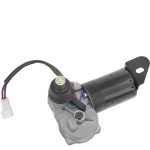
IX. Guide to Choosing a Wiper Motor
When selecting a replacement wiper motor, the following four points are indispensable:
| Key points for selection | Introductions |
|---|
| Model matching | Select according to vehicle brand, model, year and original factory part number |
|---|---|
| Voltage matching | Large buses are 24V, and a few small and medium-sized passenger vehicles are 12V. |
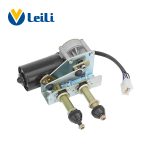
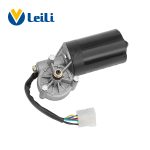
| Brand quality | Prioritize original equipment or established professional brands with proven quality assurance. |
| Functional consistency | Confirm that the high and low speed, intermittent, and return functions are fully matched with the original car. |
X. Routine Maintenance to Extend Wiper Motor Life
The key to extending the service life of the bus wiper motor is good daily habits:
For optimal performance, replace the wiper blades regularly, since worn blades significantly increase motor load.
Before driving, remove mud, dust, bird droppings, and other debris from the windshield.
In northern cold regions during winter, always manually clear ice and snow from the windshield before turning on the wipers – forcing them to start under frozen conditions can easily burn out the motor.
Furthermore, spray glass water to lubricate the windshield before each wiper use.
Finally, inspect the linkage mechanism monthly for proper tightness and adequate lubrication.
summary
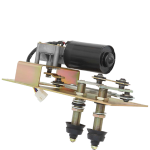
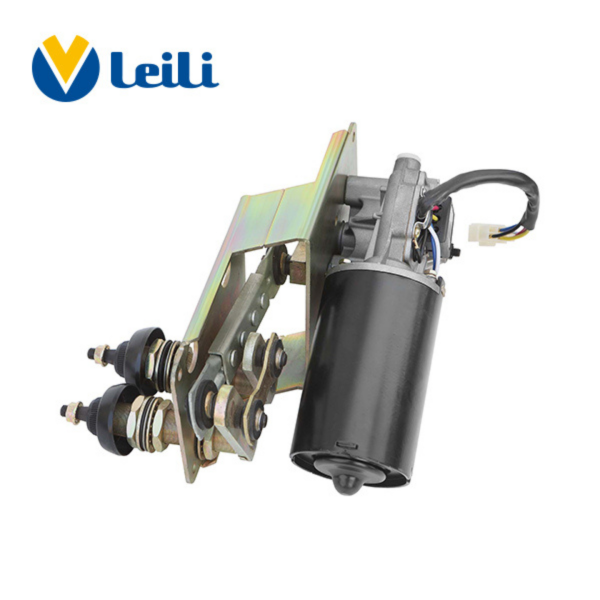
Although the wiper motor ZJA2733 is a small part, it is related to the safety of the whole vehicle. From urban buses to long-distance buses, from school buses to tourist buses, the reliability of wiper systems cannot be ignored. Following the troubleshooting principle of "first external, then internal; first power source, then load", most faults can be quickly identified. When the fault ends in a replacement rather than a repair, LEILI manufactures replacement bus wiper motors matched to the original mounting pattern and voltage platform.
Lei li wiper - Zhejiang Lei li Auto Parts Co., Ltd. specializes in the research, development, and manufacturing of bus wiper systems. Specifically, it provides high-quality wiper motors, linkages, and wiper arm products for national bus groups and passenger transport companies. As a result, it uses professional quality to escort every journey through wind and rain.
Related resources
Once the usual faults are ruled out, the remaining questions are sealing, brand fit and a repeatable test procedure:

.png)


