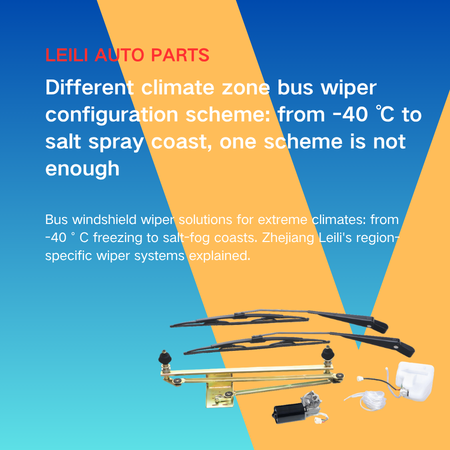

Different climate zone bus wiper configuration scheme: from -40 ℃ to salt spray coast, one scheme is not enough
City buses navigate diverse climates daily. Wipers—though seemingly minor—are critical to safety. After all, China spans extreme conditions: -40°C northeast winters, 80%+ southern humidity, sudden Gobi sandstorms, and persistent coastal salt fog. Consequently, the same wiper performs unevenly across these zones.
Nevertheless, a one-size-fits-all approach raises costs and risks safety. Therefore, Zhejiang Leili offers climate-specific bus wiper solutions. Here’s how they work.

wiper systems
Arctic region: low-temperature start-up and anti-freezing durability at -40°C
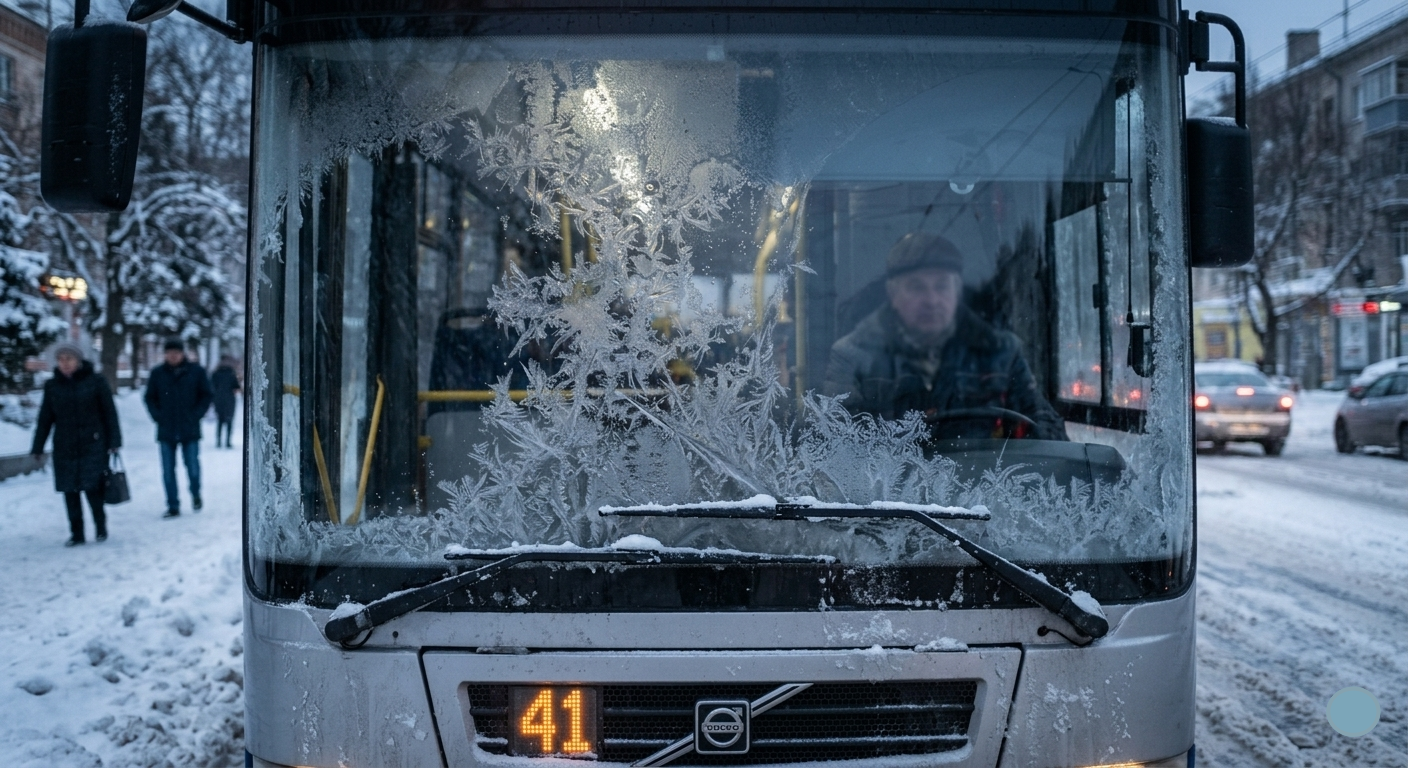
Winter lasts long in Northeast China and northern Inner Mongolia. For instance, buses in Harbin and Qiqihar face average daily temperatures from -20°C to -35°C. In extreme cases, the temperature can even plummet to -40°C. Consequently, this environment poses the harshest test for any bus wiper system.
The core challenges facing the region are:
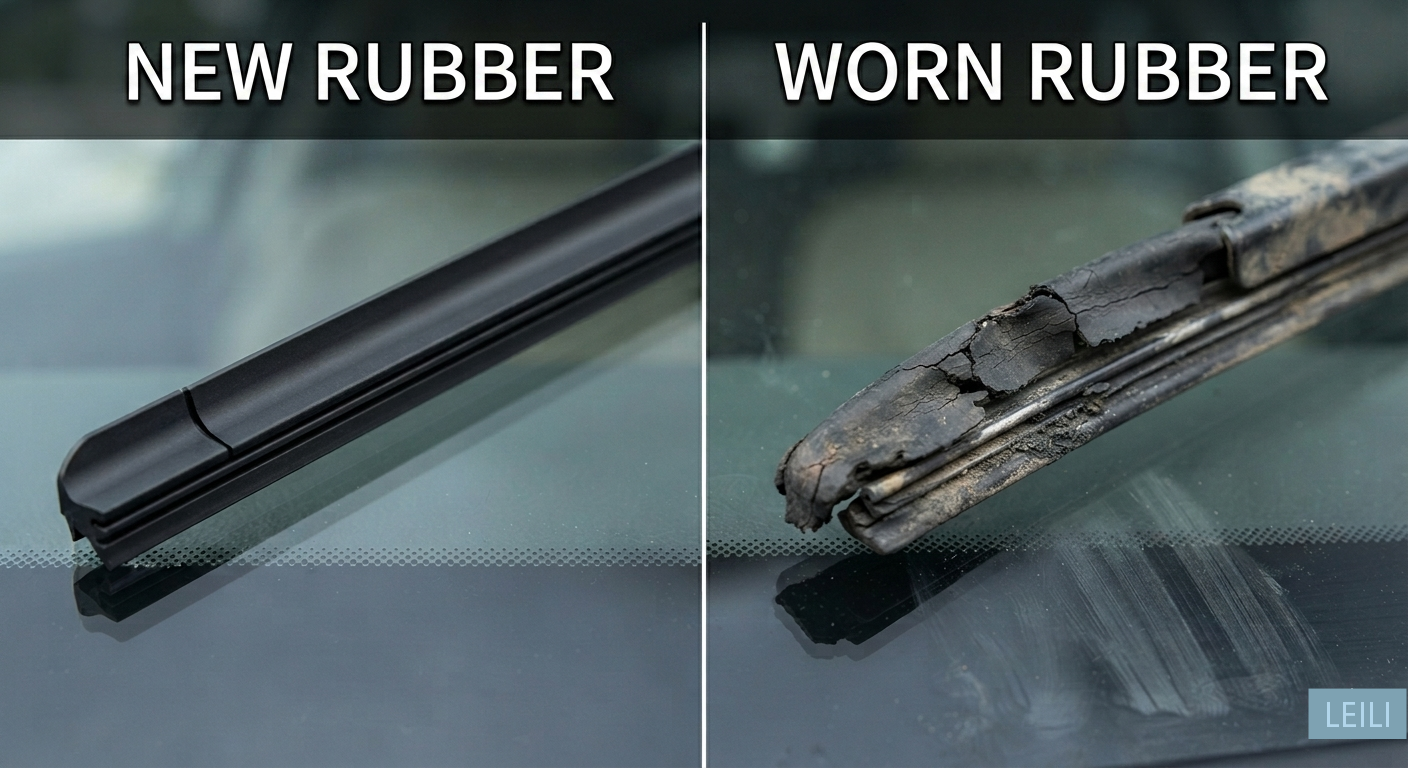
The failure of rubber strips ranks as the top issue in cold regions. Ordinary natural rubber begins to harden at -15°C. At -30°C, it completely loses its elasticity. Forcibly starting the wiper at this point can tear the strip or even scratch the glass. Even more dangerous situations occur in the early morning. The blade often freezes to the glass overnight. If the driver starts the wiper directly, the motor current will surge instantly. A mild surge may blow the fuse. A severe one can burn out the motor entirely.
In addition, the wiper water system also faces severe challenges. Conventional washing liquid freezes at -10°C. Accordingly, nozzle clogging and pipe freezing are very common in northern winters.
Rayleigh’s targeted solutions:
Zhejiang Leili’s cold-region wiper system solves the above issues from three dimensions. First of all, the rubber strip uses a special silicone rubber formula. Its glass transition temperature stays below -50°C. Even at -40°C, it maintains good elasticity. This ensures a tight fit on the windshield without scratching. Secondly, the motor adopts a built-in stall protection module. Even if the strip freezes to the glass, the motor won’t burn out instantly. Its output torque adjusts automatically based on load. With a peak torque of 28 Nm, it ensures strong ice-breaking startup. Finally, the washing system includes a large-capacity low-temperature tank. It uses -42°C antifreeze fluid and frost-proof nozzles. An anti-freeze coating lines the inner pipe walls. As a result, this eliminates the risk of frozen pipes at the source.
Actual effect data:
The measured data from a Harbin bus group reveals significant improvements. For instance, vehicles using Leili’s cold-region configuration saw their winter wiper failure rate drop by over 60% compared to the original setup. In addition, the annual maintenance cost per bus fell sharply from about 1,200 yuan to just 480 yuan.
wiper
Moisture-heat area: anti-aging, anti-mildew, and durable solutions for high-frequency use
Summer brings heat and heavy rain to South China, East China, and Southwest China. After sun exposure, the bus windshield surface temperature can reach 65 to 75°C. Frequent short-term downpours also keep wipers working almost year-round. High UV, high humidity, and high usage frequency form a triple pressure. As a result, the hot and humid region becomes an “accelerator” for wiper rubber aging.

wiper
Ultraviolet rays damage rubber molecular chains severely in the south. Ordinary rubber strips in Hainan and Guangdong last only 6 to 8 months. That lifespan is 30% to 50% shorter than in the north. Long-term humidity also accelerates electrochemical corrosion on metal skeletons and riveting parts. Corrosion can lock the connection, preventing the wiper arm from returning to position. Moreover, high humidity encourages mold growth on the rubber surface. Micro-pores then form and worsen scraping residue.
Southern bus lines often operate 16 to 18 hours daily. As a result, wipers work far more frequently than on ordinary vehicles. This heavy use speeds up wear on the linkage and motor carbon brushes.
Lei Li's wiper solution for southern hot-humid regions centers on "durability + long life."
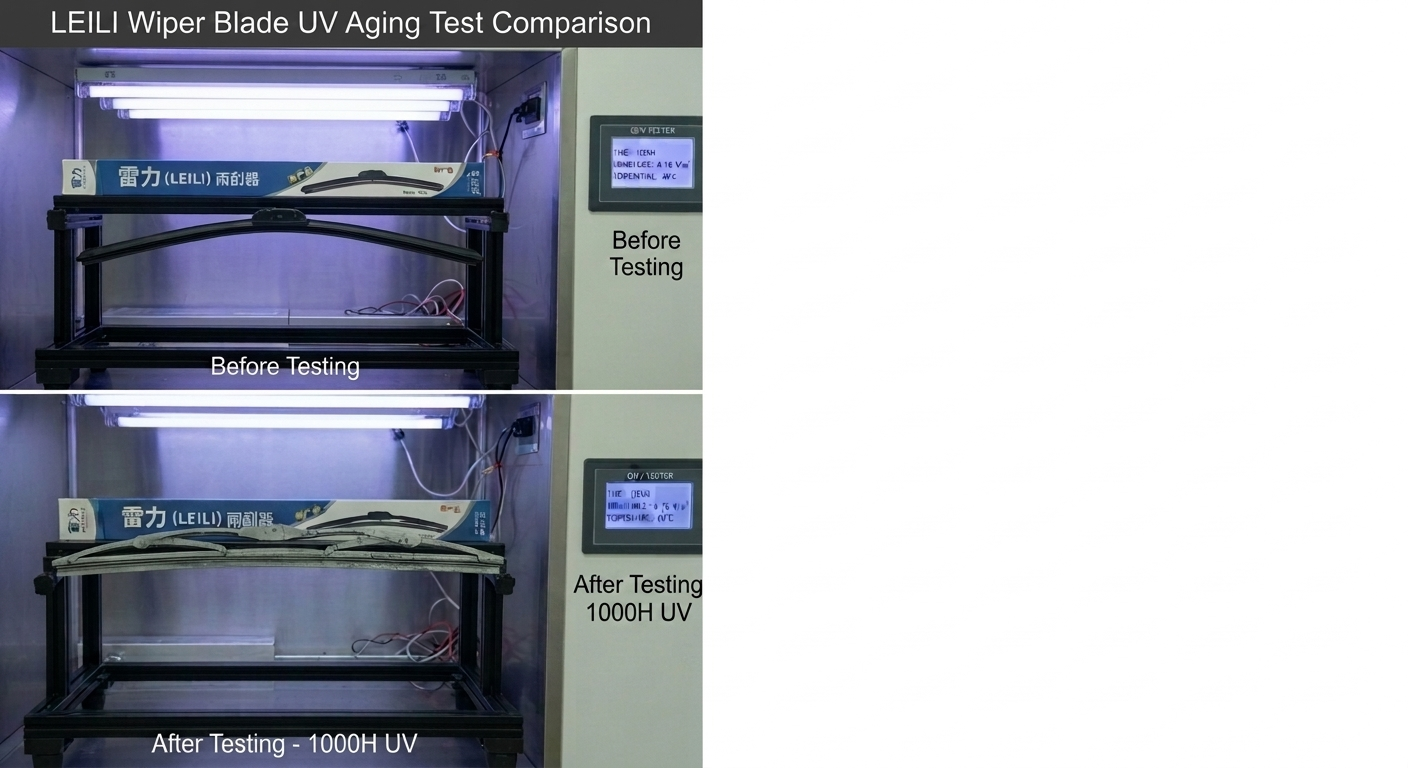
The rubber strip uses an anti-UV grade EPDM formula. It also includes composite antioxidants and light stabilizers. After 500 hours of xenon lamp testing, the hardness change stays within 8 Shore A degrees. For reference, the national standard requires no more than 15 degrees. As a result, the actual service life extends to 12 to 15 months.
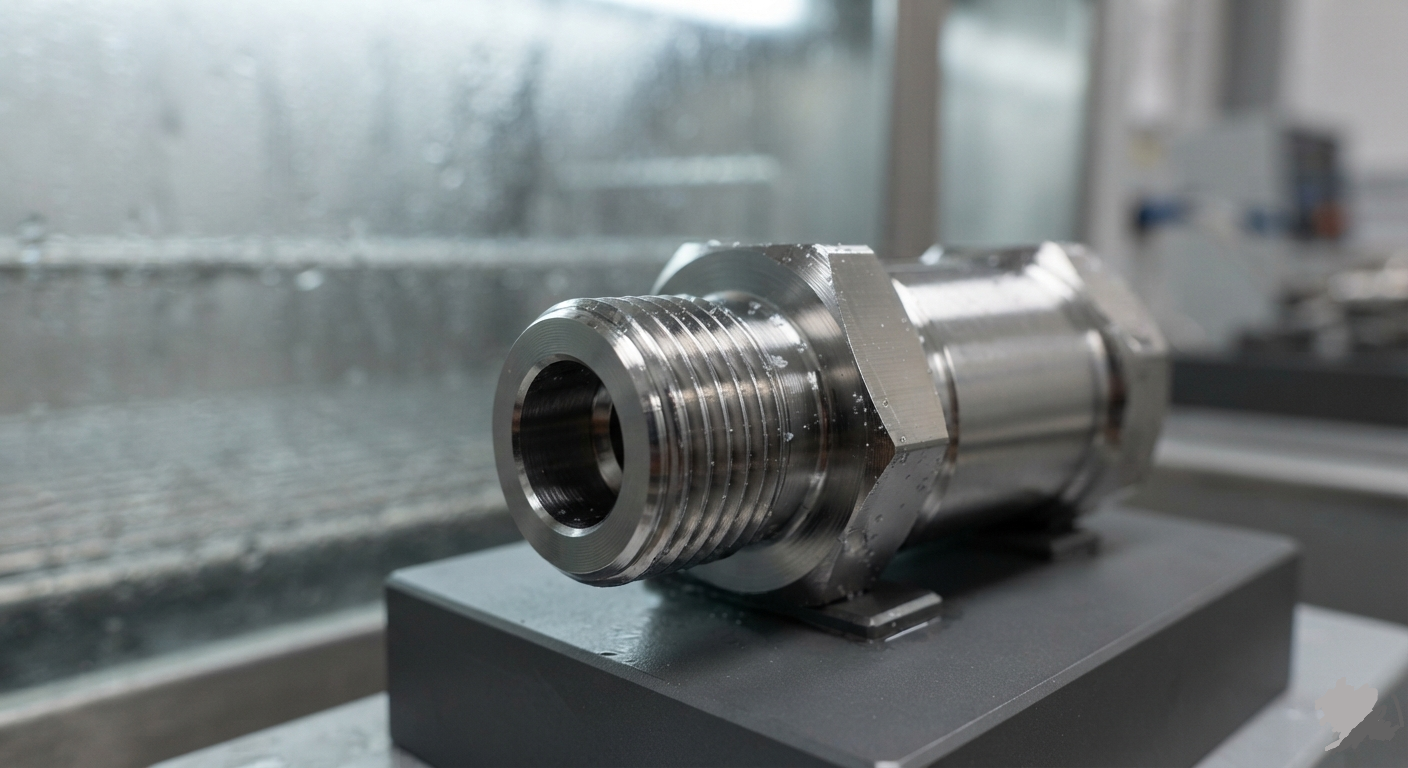
The skeleton and riveting parts now feature 304 stainless steel throughout. In neutral salt spray tests, they show no red rust after 96 hours. The motor carbon brushes use high-copper electric graphite material. Their continuous operation life exceeds 1,500 hours. Accordingly, they perfectly match the high-frequency use of southern buses.
A Hangzhou bus fleet switched its 12-meter pure electric buses to Leili's hot-humid configuration. The results showed clear improvements. The wiper rubber replacement cycle extended from 7.5 months to 14 months on average. At the same time, annual spare parts procurement dropped by about 40%.
Dusty area: high abrasion resistance and sand sealing solution
In Gansu, Xinjiang, Ningxia, and western Inner Mongolia, the bus environment is dry and dusty. Spring and autumn bring frequent sandstorms. At these times, airborne PM10 concentrations can exceed 1,000 micrograms per cubic meter. Fine sand particles ride the airflow between the wiper blade and glass. Consequently, they create a terrible “abrasive” effect.
The core challenges facing the region are:
Rayleigh's targeted solutions:
Actual effect data:
Lanzhou Bus Group applied Leili’s multi-dust scheme on its BRT line from Xiguashizi to Anning District. The results showed clear gains. The wiper rubber replacement cycle extended from under 4 months to 8–9 months. Meanwhile, complaints about linkage noise dropped by over 70%.

Salt spray area: Build a comprehensive metal anti-corrosion system
Buses in coastal cities (e.g., Dalian, Xiamen, Shenzhen) face persistent salt fog. Airborne sodium chloride settles on metal parts, forming an electrolyte film that speeds corrosion. Depots within 500m of the coast experience salt concentrations 10× higher than inland.
Coastal bus wiper systems face systematic corrosion. It appears everywhere. This includes blistering coatings on the wiper arm surface. It also covers crevice corrosion at linkage rivet points. And rust on the motor casing and mounting bracket. Corrosion does more than spoil the appearance; it directly causes functional failures. For example, wiper arm spring tension decays, reducing wiping pressure. Linkage rivets loosen, causing unstable oscillation. Motor casings rust through, letting moisture enter and burn the coil.
Standard galvanizing or electroplating often fails to meet the 8-year anti-corrosion demands of coastal bus operation. In fact, wiper metal parts on coastal buses often show visible rust within just 3 to 4 years.
Leili's coastal wiper scheme builds a three-in-one anti-corrosion system combining material selection, surface treatment, and structural design. For metal substrates, key parts like the wiper arm and linkage plate use SUS316L stainless steel. Its higher molybdenum content offers better resistance to pitting corrosion in chloride environments. For surface treatment, the wiper arm and bracket undergo a zinc-nickel alloy electroplating process with 8–12 microns thickness. It withstands 720 hours of salt spray testing without red rust—far exceeding the 96-hour industry standard. The motor casing features a Dacromet coating, enduring over 1,000 hours of salt spray. For structural design, Leili uses closed designs at rivet and bolt connections and fills gaps with weather-resistant sealant, eliminating crevice corrosion risks. The cable connectors are automotive-grade with IP67 waterproof rating, and gold-plated terminals prevent poor contact.
Xiamen Bus adopted Leili's coastal scheme on the Haicang District's Binhai Line. After two years of operation, inspections revealed no visible rust on the wiper system's metal parts. Spring tension loss stayed within 5%. Overall, the anti-corrosion performance showed a marked improvement over the original setup.

Hybrid operating conditions and selection suggestions
Many cities face mixed climate challenges. For example, Zhengzhou combines dry and hot conditions. Xi’an deals with cold winters and spring sandstorms. Chengdu has high humidity but low salt exposure. Zhejiang Leili offers modular solutions for these varied environments. Operators can match rubber, sealing, and corrosion specs to local conditions. This approach cuts costs without compromising reliability.
Selection checklist:
- Low-temperature climates → focus on rubber cold resistance, motor stall protection & antifreeze fluid.
- Hot & humid climates → focus on rubber UV/aging resistance & metal rust-proofing.
- Sandy & dusty climates → focus on rubber wear resistance, joint sealing & motor dust protection.
- Salt spray climates → focus on metal grade, coating specs & gap sealing.
About Zhejiang Lei Li Auto Parts Co., Ltd.
Zhejiang Lei Li Auto Parts Co., Ltd. specializes in the research and development and manufacturing of bus wiper systems. Its product line spans wiper motors, arms, blades, linkages, and washing systems. We serve Yutong, Jinlong, Zhongtong, BYD, Foton—city, tourist, school, BRT, double-decker & electric buses.
You might also enjoy

Different climate zone bus wiper configuration scheme: from -40 ℃ to salt spray coast, one scheme is not enough

Long-distance passenger bus wiper system selection points: three challenges of high speed, durability and noise reduction


.png)