

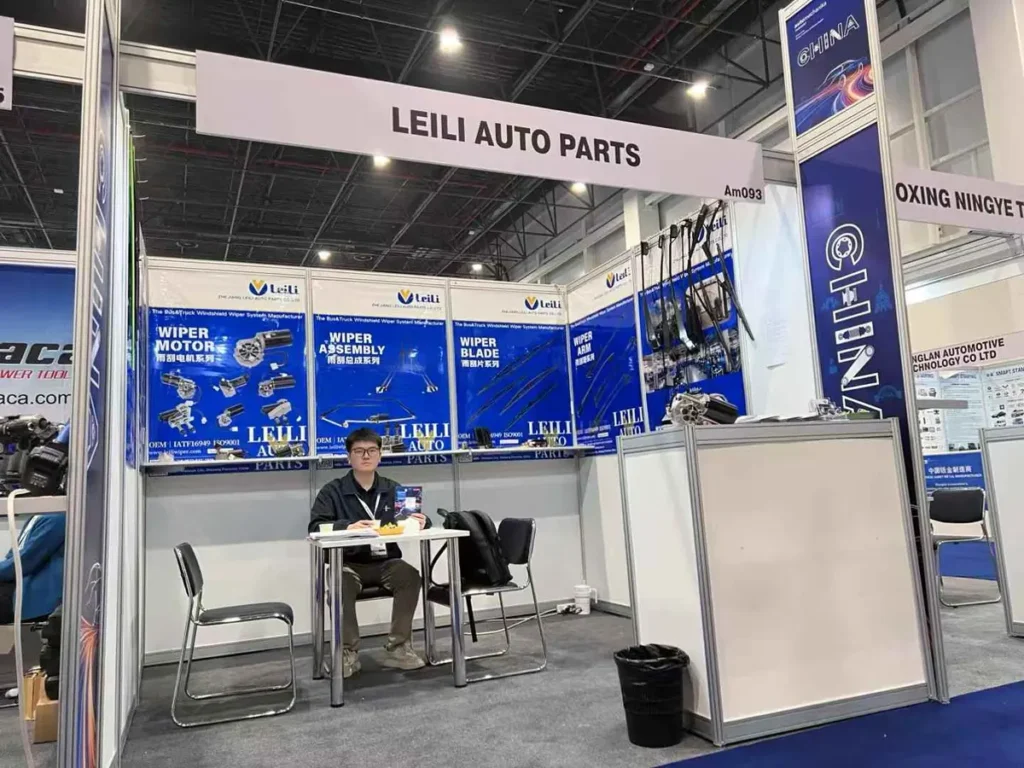
Tashkent, Uzbekistan — Zhejiang Leili Auto Parts Co., Ltd. (“LEILI”), a manufacturer of automotive windshield wiper systems and bus door locks since 1989, exhibited at Automechanika Tashkent 2025, held from 22 to 24 October 2025 at the Central Asia Expo Centre (CAEx). Invited to take part, the company showed bus wiper systems at Booth AM093 in the commercial vehicle section.
A market building its own vehicle industry
Uzbekistan is the most populous country in Central Asia. Over recent years it has drawn in foreign-invested vehicle assembly projects to build local manufacturing, and plants such as UzAuto and ADM Jizzakh, alongside newer electric-vehicle makers entering the market, are gradually generating demand for upstream components.
Local supply capacity is limited, so most components are still imported. That leaves room for outside suppliers, and it also means the distribution channels are still taking shape.
Practically, that means the parc has been assembled from several sources over two or three decades — vehicles from different countries and different years running side by side. A component there has to match what is already in service rather than what is newest on paper, which is a different kind of specification work.
The fair splits along two lines — passenger car parts and commercial vehicle parts — and LEILI’s stand sat in the commercial vehicle section, which matches where the company’s own product line sits.
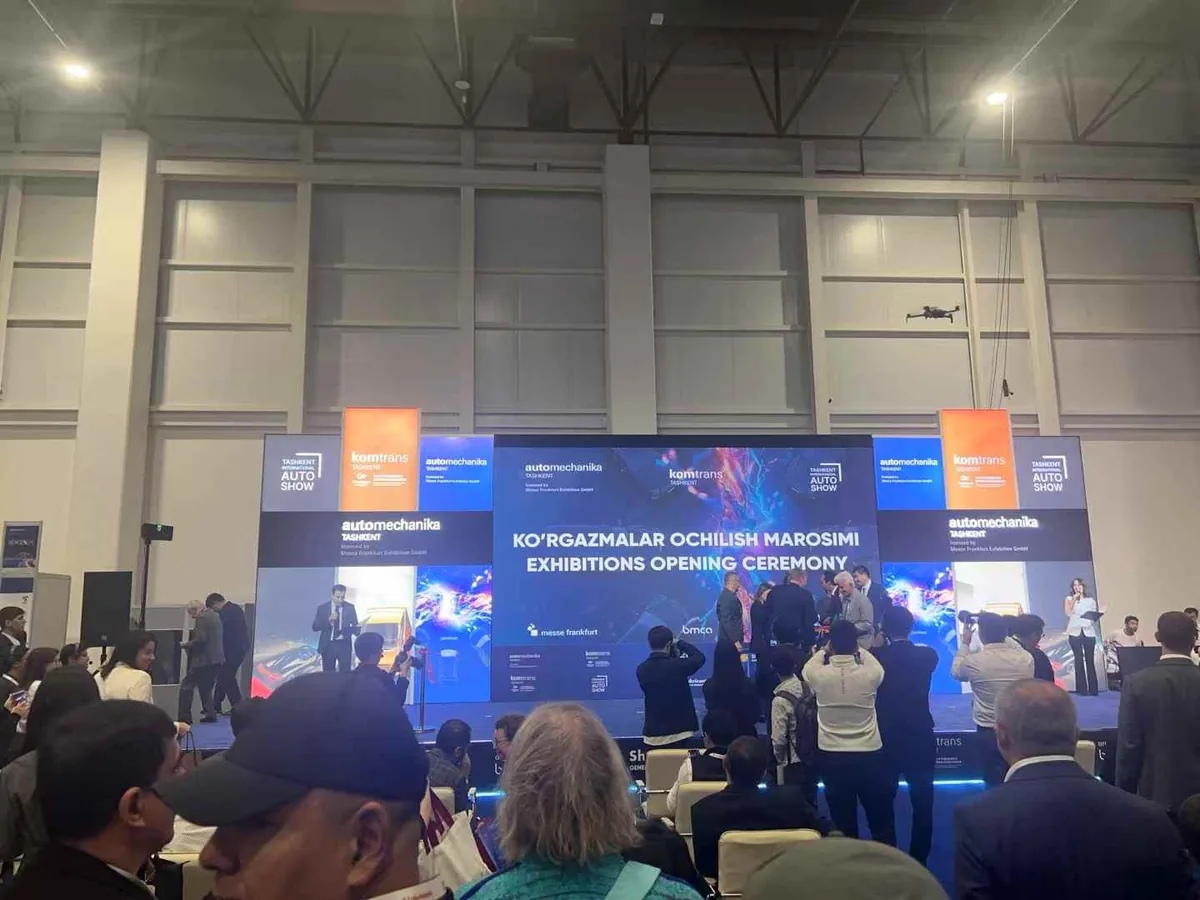
Automechanika Tashkent is licensed by Messe Frankfurt and organised by BMCA (Business Media Central Asia). It ran alongside Komtrans Tashkent and the Tashkent International Auto Show, three fairs sharing one venue: commercial vehicles, passenger vehicles and the aftermarket in a single building. Between them they brought together more than 500 exhibitors from 15 countries, including Germany, China, South Korea, Türkiye, Spain, Malaysia, Russia, Kazakhstan and Uzbekistan.
Running three fairs together changes how visitors use the floor. A customer operating logistics vehicles can finish a conversation in the commercial vehicle hall and walk through to the parts hall to continue it on specific components. Attention stays concentrated in one place.
Uzbekistan is a partner country under the Belt and Road Initiative, and Chinese vehicle makers and component suppliers have been entering the five Central Asian markets in sequence. Local government support for companies taking part in overseas exhibitions is substantial, and LEILI attended this edition as an invited exhibitor.
Exhibition facts
Three days at the Central Asia Expo Centre (CAEx) — and the building held two other fairs at the same time.
- Official name: Automechanika Tashkent 2025 — Tashkent International Trade Fair for Automotive Parts and Aftermarket Services
- Dates: 22–24 October 2025
- Venue: Central Asia Expo Centre (CAEx), Tashkent
- Licensor / organiser: licensed by Messe Frankfurt; organised by BMCA Uzbekistan
- Co-located fairs: Komtrans Tashkent (commercial vehicles); Tashkent International Auto Show
- Exhibitors: more than 500 companies from 15 countries
- Visitors (three fairs combined): 20,728 professional visitors from more than 35 countries
- LEILI stand: Booth AM093, commercial vehicle section
Sources: Automechanika Tashkent official closing summary | Messe Frankfurt official event page
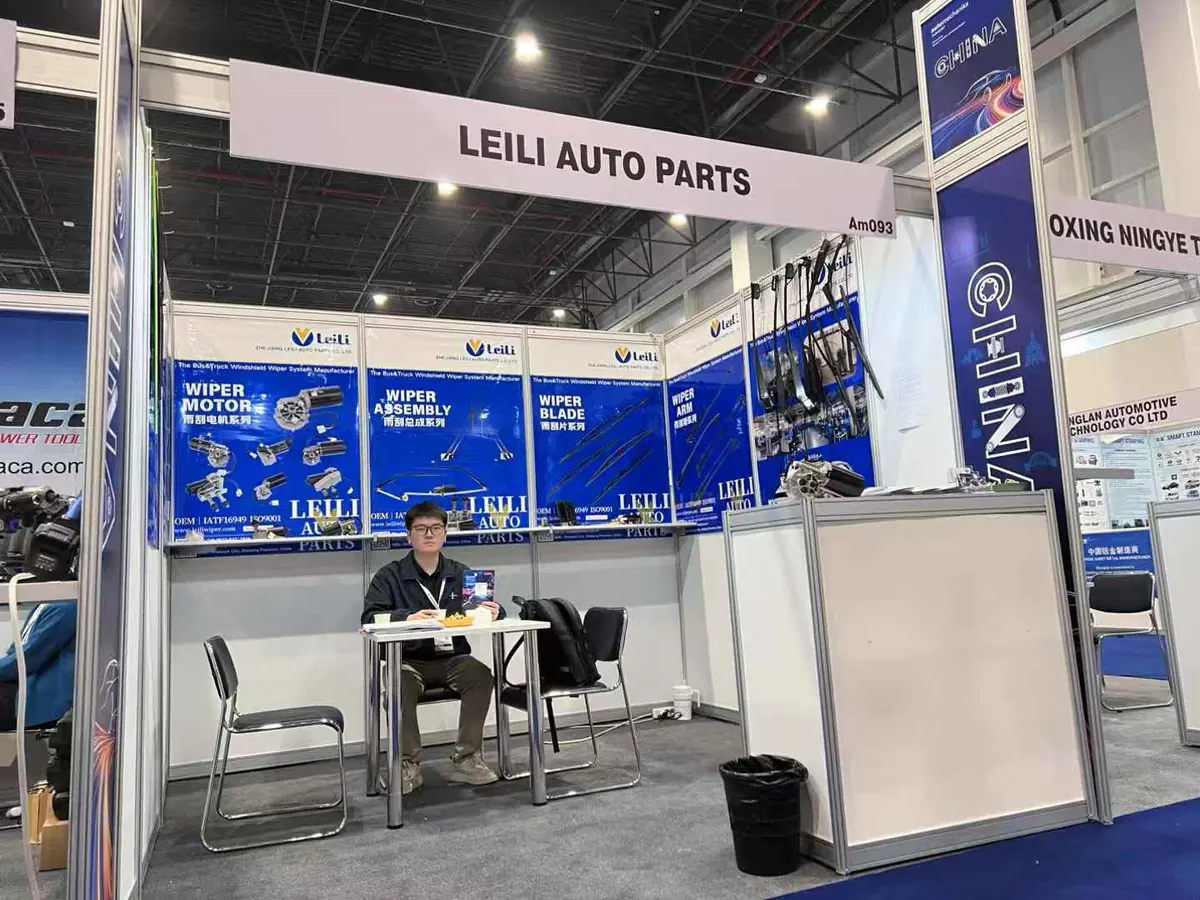
LEILI at Booth AM093
In a market that established distribution channels do not yet cover, exhibiting is about building recognition from zero. The objective here was not a single transaction; it was for local importers and distributors to learn what this factory makes and which vehicles it can cover.
Arranged by the vehicles driven locally
The layout was not the usual one. Products were grouped by the vehicles actually running in the country, not by category:
- Commercial vehicle wiper systems: sorted into groups by windshield size across 8 m to 14 m buses
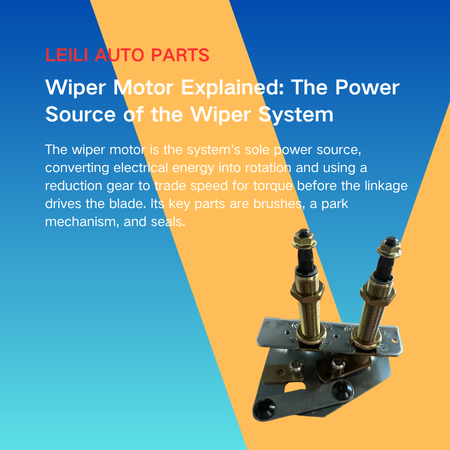
- 30 W–180 W wiper motors: each voltage variant labelled with the vehicle types it serves, in 12 V and 24 V
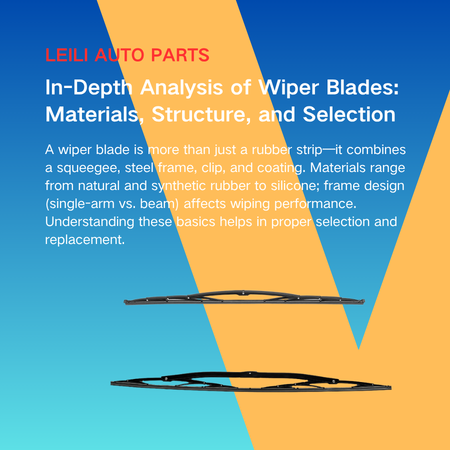
- Replacement wiper blades: 400 mm to 1,000 mm
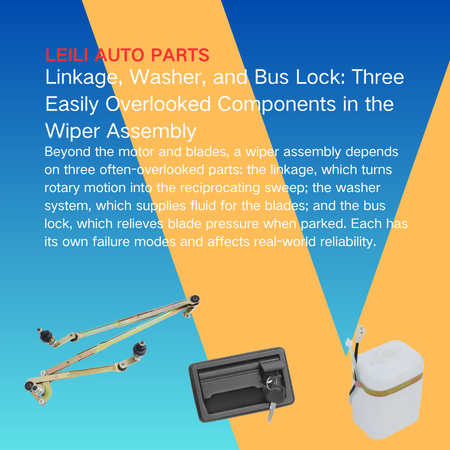
- Washer systems on the side panels, wiper arms and door locks for buses, held in reserve in case anybody asked
Grouping by vehicle rather than by product family takes longer to set up and does not photograph as neatly. It answers the question that gets asked first in this kind of market, though, and it lets a visitor find their own vehicle before finding a salesperson.
The range of applicable vehicle models was marked on the stand, model by model, which is what most visitors went looking for before anything else.
LEILI is certified to ISO 9001 and IATF 16949 and had previously exported to Southeast Asia, Europe, South America and North America; Central Asia is a new direction.
What visitors asked
Conversations at this stand ran differently from any other market in the company’s calendar.
The first thing visible was the stage the market is in. Chinese vehicle brands have entered Central Asia one after another and aftermarket demand for service parts has followed, but local channels are not yet formed — most importers are still assembling their own product lines, and several are doing it for the first time.
The second was how questions were asked. The opening question was not about performance. It was “which vehicles do you cover?” In a market where the vehicle parc has been assembled from several sources over decades, coverage is more persuasive than any single specification. Language, settlement method and transport route all had to be settled in that same conversation, on the spot, because none of the standard assumptions hold here.
The fair did not call for a price list. It called for a coverage list — what goes on which vehicle, what arrives with it, and who handles it if something fails. A coverage list can be read and checked; the cooperation can start from there.
This being a first entry into the market, what came out of Tashkent was recognition rather than business: local importers now know there is a supplier making commercial vehicle wiper systems in China, and there are named contacts on both sides who can be reached again.
Reach of the expo
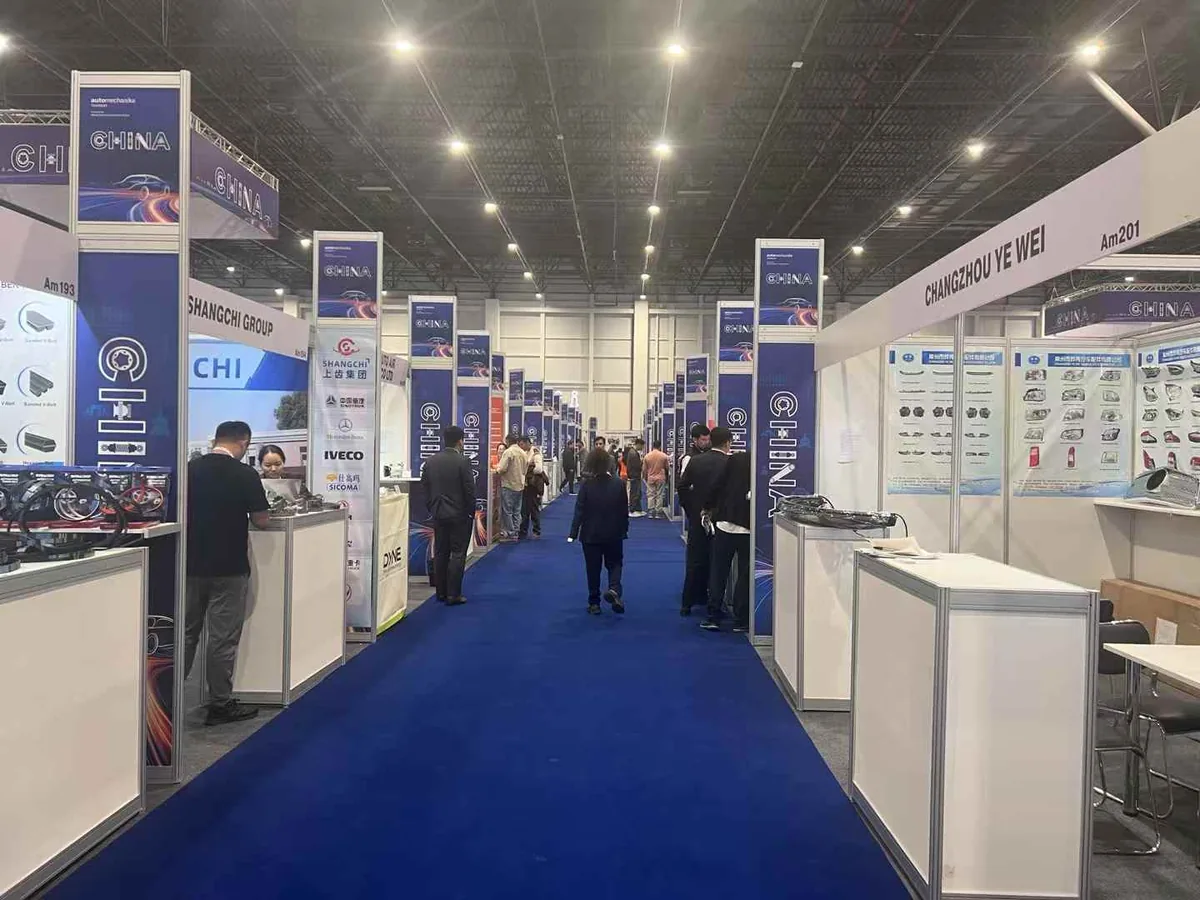
The three fairs together recorded 20,728 professional visitors from more than 35 countries, most from Uzbekistan and neighbouring Kazakhstan, Kyrgyzstan and Tajikistan. Large-scale B2B matchmaking ran throughout, involving upwards of 4,000 professional buyers and dealers.
Where all three halls sat in one building, the distance between a vehicle conversation and a component conversation was a corridor, which is not how Central Asian buyers normally get access to either.
LEILI had earlier reached Russian-speaking customers at ComTrans Moscow, and coach manufacturers specifically at Busworld Türkiye. Automechanika Shanghai a month later showed a buying structure already very different from the one taking shape here.
Closing
Channel leads have been sorted by coverage and by a partner’s ability to deliver, and those capable of regional distribution will get support first. A Central Asia product list is being written now, along with a decision on who answers the phone when something fails.
Yang Hao, spokesperson for Zhejiang Leili Auto Parts Co., Ltd., said: “In a market like Central Asia the first step is not getting orders. It is finding someone willing to build it with you. What we brought was not a price list but a list of vehicles we can cover — if they can read it, cooperation can begin.”
About Zhejiang Leili Auto Parts Co., Ltd.
Founded in 1989 as Pingyang Automobile Wiper Factory and based in the Yuyang Industrial Zone of Pingyang, Zhejiang, LEILI operates a 13,000 sqm facility and has spent more than three decades on two product lines: electrical windshield wiper systems and bus door locks. The company is certified to ISO 9001 and IATF 16949 and supplies both OE and aftermarket customers. Website: leiliautoparts.com. Further reading: our wiper blade line.