A Comprehensive Guide to Bus Locks: Definitions, Functions, and Types Explained

What are bus lock mechanisms?

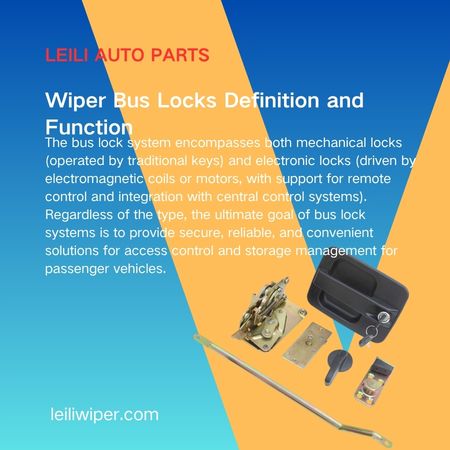
Bus lock systems refer to the combined mechanical or electronic devices specifically installed on various types of buses or coaches to control the opening and closing of compartments, passageways, and storage spaces throughout the vehicle. Unlike vehicle lock systems for passenger cars, bus lock systems must withstand higher vibration frequencies, greater operational stress, and meet stringent fire escape and dust/water protection (IP rating) requirements. A complete bus lock system typically covers the luggage compartment, passenger doors, the driver’s cabin, emergency exits, and interior storage units.

The primary functions of bus lock mechanisms.

The core functions of bus lock mechanisms can be summarized into the following four points:

Safety Features:

Prevents the unintended opening of doors while the vehicle is in motion, and ensures that escape routes can be quickly unlocked in emergency situations such as rollovers or fires.

Anti-theft and anti-damage protection:

Through robust lock body structure and anti-pick design, the luggage compartment fuel tank and valuable items accompanying the vehicle are protected.

Zonal management:

It allows drivers to control most areas using the main key, while also providing separate keys for features like the fuel tank and storage compartment, thereby implementing a hierarchical system of permissions.

Environmental sealing:

The locking mechanism works in conjunction with the door’s sealing system to prevent rainwater and dust from entering, which is particularly important for the luggage compartment and external swing doors.


Types and definitions of bus lock mechanisms.

Depending on the location of installation and the structure, bus lock systems can be broadly categorized into the following main groups. The definitions and functional descriptions below will help you quickly identify the components you need.

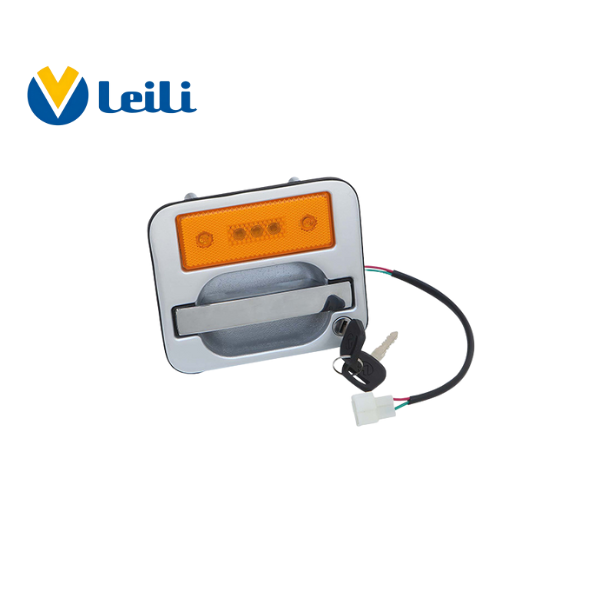
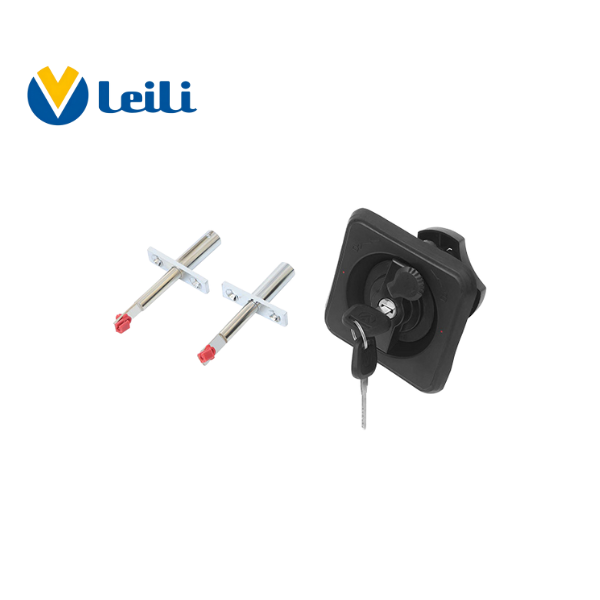
1. Luggage compartment locking mechanism.

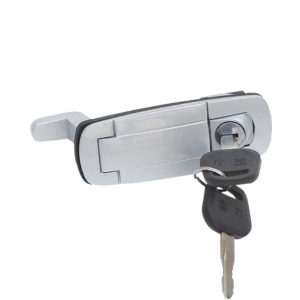
The specialized locking mechanism installed on the luggage compartment door at the bottom of a passenger vehicle typically employs a handle-pressing or multi-point locking mechanism.

function

Through the close interaction between the latch and the lock mechanism, large storage spaces can be effectively sealed.

It possesses strong anti-pickpocket capabilities, ensuring the security of luggage.

Most models feature integrated pressure-operated handles, making them easy to operate, and they also have a waterproof sealing design.

Typical products

luggage compartment locks, universal lock bodies for luggage compartments. The latter are standardized core components that facilitate maintenance and replacement.

2. Passenger door locking mechanisms.

The passenger door lock is directly related to the safety of boarding and disembarking, making it one of the more technologically advanced types of vehicle locks.

External door lock.

Definition: A locking system designed for passenger doors on the side of a bus that can be opened outward.

Function: Typically used in conjunction with pneumatic or electric door pumps. It automatically secures the edge of the door assembly after a closing command is issued, ensuring that the door remains sealed during travel and does not spring outward. It also features an emergency manual unlocking function.

Interior door lock core.

Definition: A locking core component specifically designed for use with interior pivot passenger doors (doors that rotate inward to open towards the interior of the vehicle).

Function: As the core of mechanical key control, it rotates the lock core to activate the linkage mechanism, enabling the locking and unlocking of the internal swing door. It is commonly used to facilitate manual operation of pneumatic control systems.

3. Cab and fuel tank locking mechanisms.

Driver’s door lock.


Definition: A complete locking assembly installed on the driver’s independent side door.

Function: It offers dual controls for key locking and internal security levers, preventing the door from opening due to vibrations during movement, thereby ensuring the safety and privacy of the driving area.

Fuel tank lock core.

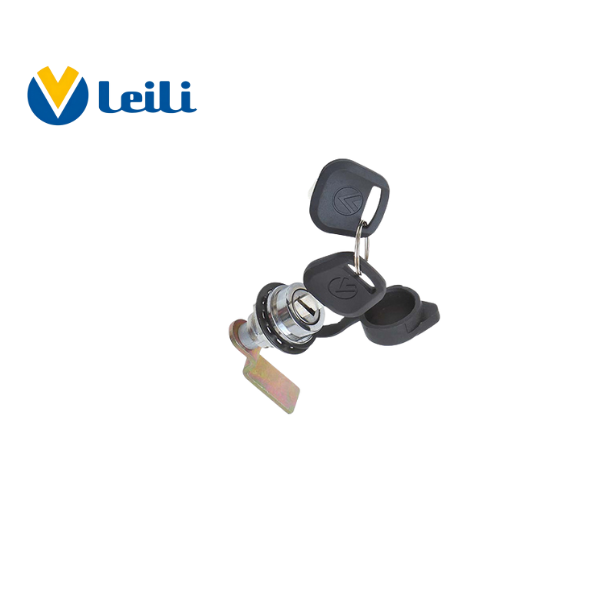
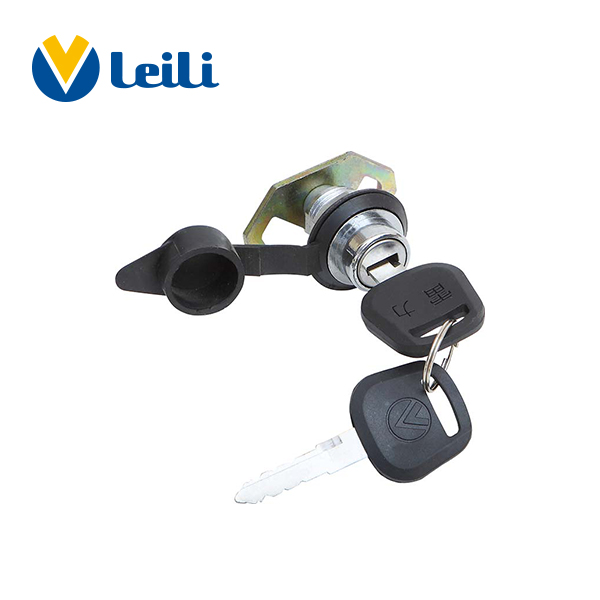
Definition: A lock core specifically designed for use with the fuel tank filler cap or fuel tank door of a passenger vehicle.

Function: Must possess corrosion-resistant and dust-proof properties. Typically compatible with the main key or equipped with a separate key. The primary function is to prevent fuel theft.

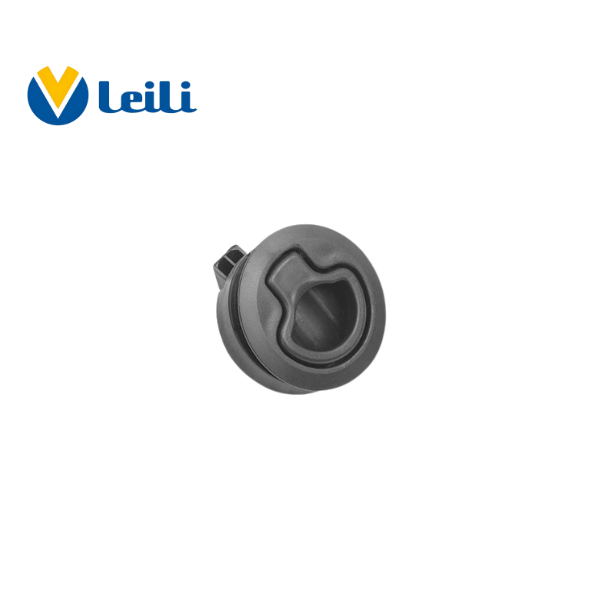
4. Vehicle storage and maintenance lock mechanisms.

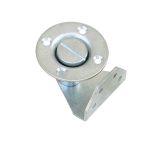
Trunk lock.

Definition: A small locking mechanism installed on the dashboard, top storage compartment of the driver’s area, or toolbox.

Function: Simple design, can be opened using a key or a lever. Used to secure vehicle-mounted documents, tools, or small personal items.

Floor lock.

Definition: A specialized locking mechanism for securing the hatch cover plate beneath the fixed cabin floor.

Function: Prevents the cover panel from lifting up due to vehicle vibrations, while also making it easy for maintenance personnel to open it to inspect the chassis wiring or components. Typically features an embedded, flat design.

5. Special and electronic locking mechanisms.

Electronic lock.

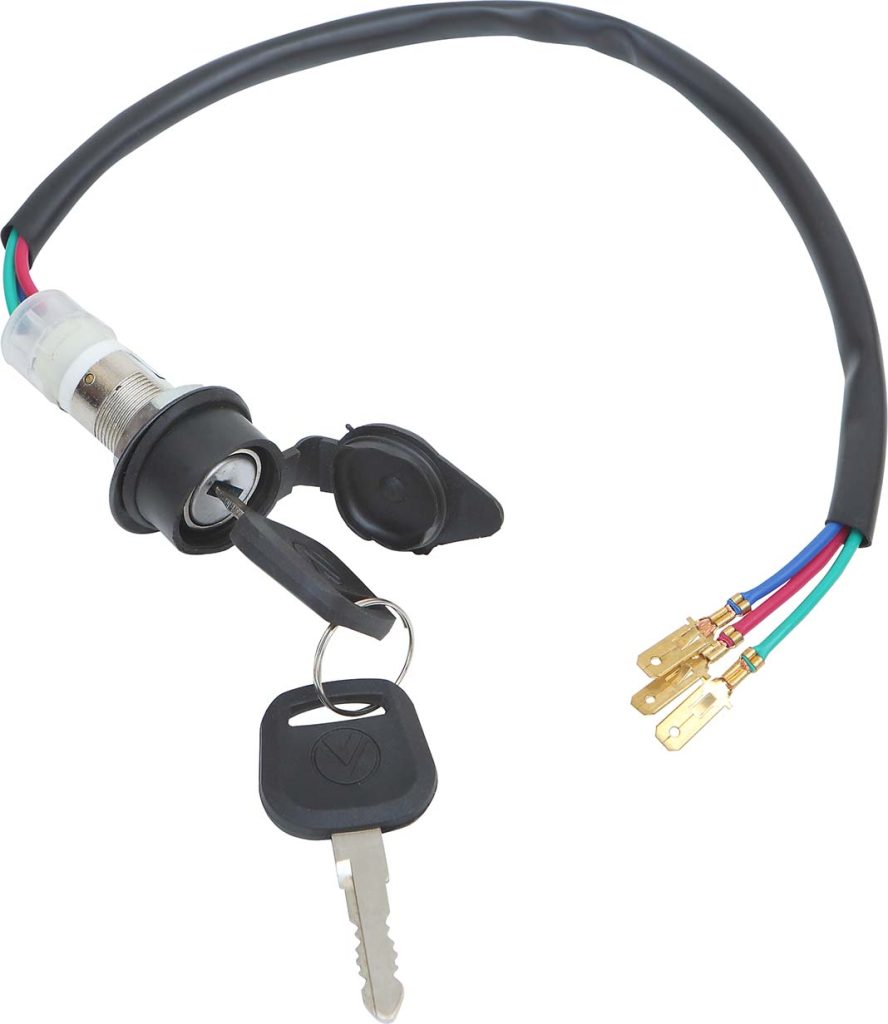
Definition: An intelligent locking device powered by electromagnetic coils and miniature motors, which can be integrated with a central control system.

Function: Supports centralized control of remote key fobs, IC cards, or dashboard switches. Commonly used in passenger doors, storage compartments in the driver’s area, or emergency exits to enhance the intelligence level of vehicle management and the speed of emergency response.

Universal locks.

Definition: A versatile locking mechanism with broad application in passenger vehicles and standardized installation dimensions.

Function: Not specific to a particular location; commonly found in tool cabinets, small repair doors, and other non-critical areas. This design facilitates centralized procurement and rapid replacement by vehicle manufacturers.

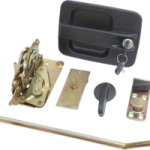
Sleight door lock assembly.

Definition: A complete set of door lock components designed for a specific vehicle model (such as the Steyr series bus chassis or body).

Functions: Includes the lock body, lock latch, inner and outer handles, and connecting rods. It meets specific installation dimensions and mechanical requirements to ensure precise matching with the door structure of the vehicle and long-term reliability.

How to choose the right bus lock?

When procuring or replacing bus lock mechanisms, it is advisable to focus on the following three practical factors:

  • Model and installation dimensions: Ensure that the lock’s mounting hole spacing, latch length, and panel dimensions match those of the original vehicle or the installation location. In particular, for specialized components like the “Siltai Door Lock Assembly,” verify the part number.
  • Usage Environment and Durability: The luggage compartment lock and fuel tank lock core should have excellent water and dust resistance capabilities (e.g., IP54 or higher). For passenger door locks that are frequently used, the lock core should be made from wear-resistant materials (such as copper alloys or stainless steel).
  • Safety and regulatory compliance: The passenger door locks must have an emergency release function, and the locking strength must comply with local bus safety standards. Electronic locks should be examined for their failure modes (can they be manually unlocked after a power outage?).

You might also enjoy

A Comprehensive Guide to Bus Locks: Definitions, Functions, and Types Explained

Definition and Function of Windshield Washer Nozzle

Wiper Linkage Definition and Function